

Unlocking Efficiency: The Essential Role of Mechanical Seal Kits in Industrial Equipment
Release time:
2025-10-16
Unlocking Efficiency: The Essential Role of Mechanical Seal Kits in Industrial Equipment
Table of Contents
- 1. Introduction to Mechanical Seal Kits
- 2. Importance of Mechanical Seals in Industrial Applications
- 3. Components of Mechanical Seal Kits
- 4. Different Types of Mechanical Seal Kits
- 5. Choosing the Right Mechanical Seal Kit for Your Equipment
- 6. Maintenance and Installation Best Practices
- 7. Cost Benefits of Using Mechanical Seal Kits
- 8. Future Trends in Mechanical Seal Technology
- 9. Frequently Asked Questions (FAQs)
- 10. Conclusion
1. Introduction to Mechanical Seal Kits
In the realm of industrial equipment, efficiency and reliability are paramount. **Mechanical seal kits** play a pivotal role in ensuring these traits in various applications. By preventing leaks and protecting machinery from environmental contaminants, these kits significantly enhance the performance and longevity of equipment.
Mechanical seals are mechanical devices that join systems or mechanisms together by preventing leakage and containing pressure. They are essential in rotating equipment, such as pumps and compressors, where the challenge of sealing against high pressures and temperatures is prevalent.
2. Importance of Mechanical Seals in Industrial Applications
Mechanical seals are indispensable in numerous industrial applications due to their ability to maintain system integrity. The following points highlight their importance:
2.1 Prevention of Leaks
One of the primary functions of mechanical seals is to prevent leaks of liquids and gases. This is crucial in industries such as oil and gas, pharmaceuticals, and food processing, where leaks can lead to hazardous situations and costly downtime.
2.2 Maintenance of Operational Efficiency
By effectively sealing the equipment, mechanical seals help maintain optimal operating conditions. This results in improved efficiency and reduced energy consumption, contributing to overall operational effectiveness.
2.3 Protection Against Contaminants
Mechanical seals act as a barrier against dust, dirt, and other contaminants, which can significantly affect the performance of machinery. In industries utilizing harsh chemicals or operating in rugged environments, this protection is vital for ensuring longevity and reliability.
2.4 Cost-Effectiveness
Investing in high-quality mechanical seal kits can lead to substantial cost savings. By reducing the frequency of repairs and equipment failures, businesses can allocate resources more efficiently.
3. Components of Mechanical Seal Kits
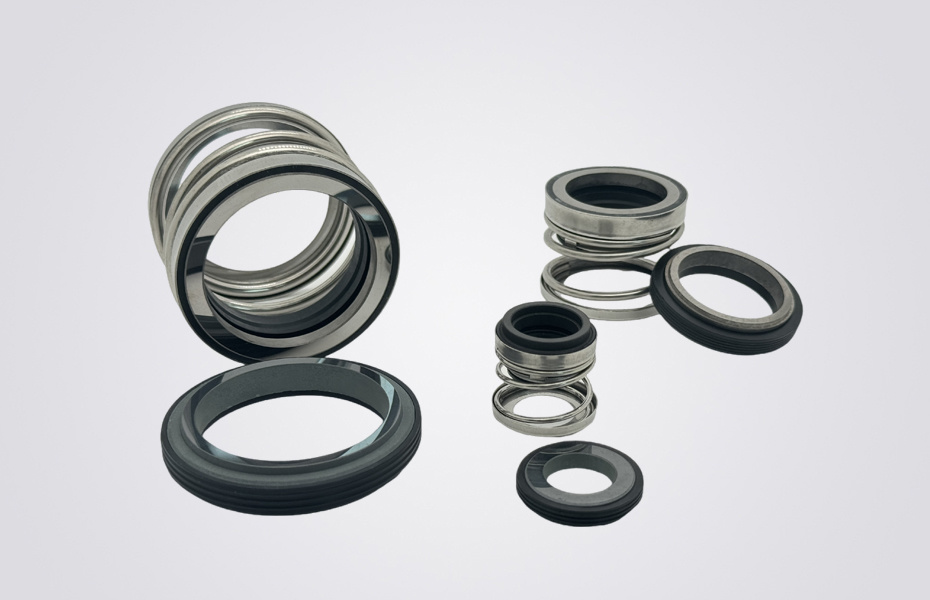
A mechanical seal kit generally comprises several key components, each serving a specific function to ensure effective sealing:
3.1 Seal Faces
These are the two primary surfaces that come into contact with each other to form the seal. They are typically made of hard materials like ceramic or tungsten carbide, ensuring durability and resistance to wear.
3.2 Secondary Seals
Secondary seals, often made from elastomers or polymers, provide additional sealing capabilities. They help prevent leakage around the primary seal faces.
3.3 Springs
Springs apply the necessary force to keep the seal faces in contact. They are essential for maintaining pressure and ensuring the seal's integrity under varying operational conditions.
3.4 Hardware and Gaskets
These components are used to secure the mechanical seal in place. Gaskets ensure a tight fit, while other hardware elements contribute to the overall assembly and installation of the seal.
4. Different Types of Mechanical Seal Kits
Understanding the various types of mechanical seal kits is crucial for selecting the right one for specific applications.
4.1 Single Mechanical Seals
Single mechanical seals consist of one set of seal faces and are commonly used in low-pressure applications. They are simple in design and easy to install.
4.2 Double Mechanical Seals
Double mechanical seals feature two sets of seal faces, providing enhanced protection against leakage. They are ideal for high-pressure applications and can handle more challenging conditions.
4.3 Cartridge Mechanical Seals
Cartridge seals come pre-assembled, making them easier to install and maintain. They are designed to fit a variety of equipment, reducing installation time and minimizing the risk of damaging the seal during installation.
4.4 Pusher and Non-Pusher Seals
Pusher seals feature a dynamic secondary seal that moves with the seal faces, while non-pusher seals maintain a static secondary seal. The choice between the two depends on the specific operational conditions.
5. Choosing the Right Mechanical Seal Kit for Your Equipment
Selecting the appropriate mechanical seal kit can have a significant impact on the performance and efficiency of your equipment. Here are key factors to consider:
5.1 Application Requirements
Assess the specific requirements of your application, including pressure, temperature, and the type of fluid being sealed. Understanding these parameters helps in selecting the right seal type.
5.2 Material Compatibility
Ensure that the materials used in the mechanical seal kit are compatible with the fluids in your application. This prevents deterioration and ensures the longevity of the seal.
5.4 Installation Space
Consider the available space for installation. Some mechanical seals require more room than others, which can impact the choice of seal kit.
6. Maintenance and Installation Best Practices
Proper installation and maintenance of mechanical seal kits are crucial for their performance and longevity.
6.1 Installation Tips
- **Clean the surfaces**: Ensure that all mating surfaces are clean and free of debris before installation.
- **Follow Manufacturer Guidelines**: Always adhere to the installation instructions provided by the manufacturer.
- **Use the Right Tools**: Utilize the appropriate tools to avoid damaging the seal during installation.
6.2 Maintenance Practices
- **Regular Inspections**: Conduct routine inspections of the mechanical seal to identify any signs of wear or damage.
- **Monitoring Performance**: Keep track of operational performance to catch any issues early.
- **Replace Worn Components**: Timely replacement of worn-out parts can prevent more significant failures.
7. Cost Benefits of Using Mechanical Seal Kits
Implementing mechanical seal kits in industrial equipment can lead to significant cost savings.
7.1 Reduced Downtime
By minimizing leaks and failures, mechanical seals reduce the downtime of equipment. This translates into higher productivity and lower operational costs.
7.2 Extended Equipment Life
Quality mechanical seal kits protect equipment from wear and tear, thereby extending their operational lifespan. This reduces the need for frequent replacements and repairs.
7.3 Energy Efficiency
Efficient seals contribute to energy savings by preventing leaks, reducing the energy required to maintain pressure and flow within the system.
8. Future Trends in Mechanical Seal Technology
The mechanical seal industry is evolving, with emerging technologies enhancing their performance and reliability.
8.1 Smart Sealing Solutions
The integration of smart technology into mechanical seals allows for real-time monitoring of performance. Sensors can detect pressure changes, leaks, and wear, enabling predictive maintenance.
8.2 Advanced Materials
Research and development efforts are leading to the creation of advanced materials that offer improved resistance to extreme conditions, further enhancing the performance of mechanical seals.
8.3 Eco-Friendly Solutions
As industries move toward sustainable practices, eco-friendly sealing materials and designs are gaining traction. This shift aims to reduce environmental impact and enhance the sustainability of industrial operations.
9. Frequently Asked Questions (FAQs)
9.1 What is a mechanical seal kit?
A mechanical seal kit includes various components designed to prevent leakage in rotating equipment, enhancing operational efficiency and equipment longevity.
9.2 How do I know if my mechanical seal needs replacing?
Signs of wear, such as leakage, unusual noise, or fluctuating performance, indicate that it may be time to replace your mechanical seal.
9.3 Can I install a mechanical seal kit myself?
If you have the right tools and follow the manufacturer’s installation guidelines, you can install a mechanical seal kit yourself. However, consulting a professional can help ensure proper installation.
9.4 What materials are commonly used in mechanical seals?
Common materials include ceramic, tungsten carbide, rubber, and various polymers, each chosen for their durability and compatibility with different fluids.
9.5 How can I improve the lifespan of my mechanical seals?
Regular inspections, adherence to operating guidelines, and timely maintenance can significantly improve the lifespan of mechanical seals.
10. Conclusion
The role of **mechanical seal kits** in industrial equipment cannot be overstated. They are essential for maintaining efficiency, preventing leaks, and extending the lifespan of machinery. By understanding the components, types, and best practices associated with mechanical seals, businesses can make informed decisions that enhance operational performance and lead to substantial cost savings. With continuous advancements in technology, the future of mechanical seals promises even greater efficiency and reliability, ensuring that industrial operations can meet the demands of an ever-evolving market.
Mechanical Seal Kits

Message
* Please enter your phone number to get a free product quote
Copyright © Sichuan Bozhengda Mechanical Seal Technology Co., Ltd. Powered by www.300.cn