

Understanding the Critical Role of Mechanical Seals in Water Pumps: Essential Insights for Optimal Performance
Release time:
2025-11-27
Understanding the Critical Role of Mechanical Seals in Water Pumps
Water pumps are indispensable in numerous industries, including agriculture, municipal water supply, and industrial processes. At the heart of these pumps lies a critical component: the mechanical seal. This article aims to thoroughly explore the importance of mechanical seals in water pumps, elucidating their functions, benefits, and best practices for selection and maintenance.
Table of Contents
1. What Are Mechanical Seals?
2. The Functionality of Mechanical Seals in Water Pumps
3. Advantages of Using Mechanical Seals in Water Pumps
4. Types of Mechanical Seals for Water Pumps
4.1 Single Mechanical Seals
4.2 Double Mechanical Seals
4.3 Cartridge Mechanical Seals
5. Factors to Consider When Choosing Mechanical Seals
5.1 Material Compatibility
5.2 Operating Conditions
5.3 Seal Design
6. Maintenance Tips for Mechanical Seals in Water Pumps
7. Troubleshooting Common Mechanical Seal Issues
8. FAQs About Mechanical Seals in Water Pumps
9. Conclusion
1. What Are Mechanical Seals?
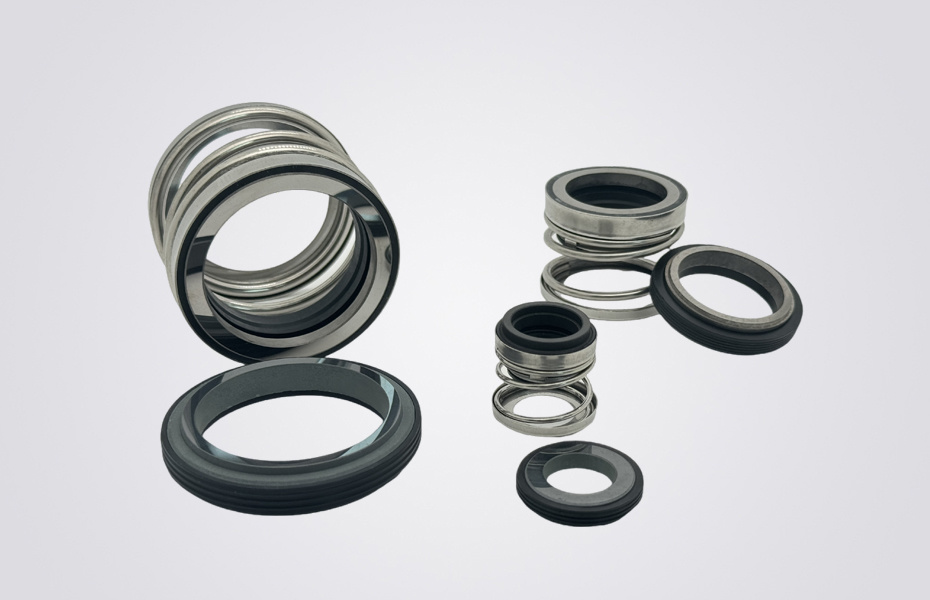
Mechanical seals are devices that join two parts while permitting relative motion between them. They function as a barrier to prevent fluid leakage, which is critical in water pumping applications. Typically, mechanical seals consist of two primary components: a stationary part and a rotating part. The interface between these two surfaces creates a seal that prevents the passage of liquids or gases.
2. The Functionality of Mechanical Seals in Water Pumps
In water pumps, mechanical seals serve a crucial role in maintaining operational integrity. They keep the pumped fluid contained within the system, thus preventing leaks that can lead to equipment failure, environmental hazards, and costly repairs. By maintaining pressure and ensuring that the pump operates efficiently, mechanical seals help enhance the overall performance of the pumping system.
3. Advantages of Using Mechanical Seals in Water Pumps
Mechanical seals offer several advantages that contribute to their widespread use in water pumps:
- **Leak Prevention**: One of the primary functions of mechanical seals is to prevent leaks, ensuring that fluids remain contained within the system.
- **Reduced Maintenance Costs**: Mechanical seals can significantly reduce maintenance issues associated with traditional packing seals, leading to lower operational costs over time.
- **Enhanced Performance**: Properly functioning mechanical seals improve the efficiency of water pumps, resulting in better energy consumption and operational output.
- **Longevity**: High-quality mechanical seals can withstand harsh operating conditions, extending the lifespan of the pump and reducing the need for frequent replacements.
4. Types of Mechanical Seals for Water Pumps
Choosing the right type of mechanical seal is vital for optimal performance in water pumps. Below are the primary types commonly used:
4.1 Single Mechanical Seals
Single mechanical seals consist of one set of sealing faces and are ideal for low-pressure and low-temperature applications. They are often used in residential and light industrial water pumps.
4.2 Double Mechanical Seals
Double mechanical seals consist of two sets of sealing faces, offering enhanced leakage protection. They are used in high-pressure applications and environments where leakage could pose a significant risk.
4.3 Cartridge Mechanical Seals
Cartridge mechanical seals are pre-assembled units that simplify installation. They are particularly beneficial in applications requiring frequent maintenance, as they reduce installation time and the risk of errors.
5. Factors to Consider When Choosing Mechanical Seals
Selecting the right mechanical seal for your water pump involves several critical considerations:
5.1 Material Compatibility
The materials used in mechanical seals must be compatible with the fluid they will be sealing. Factors such as temperature, pressure, and chemical properties play a vital role in determining material suitability.
5.2 Operating Conditions
Understanding the specific operating conditions of your water pump is essential. High temperatures, pressures, and fluctuations in flow can impact the performance of mechanical seals.
5.3 Seal Design
The design of the mechanical seal should align with the pump's configuration and operational requirements. This includes considerations for ease of installation, maintenance, and adaptability to varying conditions.
6. Maintenance Tips for Mechanical Seals in Water Pumps
To ensure the longevity and performance of mechanical seals in water pumps, adherence to regular maintenance practices is essential:
- **Regular Inspections**: Conduct routine inspections to identify signs of wear or damage.
- **Monitor Operating Conditions**: Keep a close eye on temperature and pressure fluctuations that may affect seal performance.
- **Lubrication**: Ensure that mechanical seals are adequately lubricated to reduce friction and wear.
- **Replace Worn Seals Promptly**: Do not delay replacing worn or damaged seals to prevent potential leaks and system failures.
7. Troubleshooting Common Mechanical Seal Issues
Mechanical seals can encounter various problems over time. Here are some common issues and their solutions:
- **Leakage**: If you notice leakage, check for misalignment or wear on the sealing faces. Proper installation and alignment are crucial to prevent leaks.
- **Excessive Heat Generation**: Overheating may indicate insufficient lubrication or incorrect material selection. Review operating conditions and consider material upgrades.
- **Rapid Wear**: If seals wear out quickly, assess the compatibility of the materials with the operating fluid and review the seal design for appropriateness.
8. FAQs About Mechanical Seals in Water Pumps
**Q1: How do I know when to replace a mechanical seal?**
A1: Regular inspections can help determine the condition of your mechanical seals. Signs of wear, such as leakage or excessive heat, indicate that replacement is necessary.
**Q2: Can I use any mechanical seal for my water pump?**
A2: No, it is crucial to choose a mechanical seal that is compatible with your pump's operating conditions and the fluid being pumped.
**Q3: What materials are commonly used for mechanical seals?**
A3: Common materials include carbon, ceramic, and various elastomers, each chosen based on chemical and temperature compatibility.
**Q4: How can I extend the lifespan of my mechanical seals?**
A4: Regular maintenance, including inspections and monitoring operating conditions, can help extend the lifespan of mechanical seals.
**Q5: Are double mechanical seals suitable for all applications?**
A5: While double mechanical seals offer enhanced protection, they may not be necessary for all applications. Assessing the specific requirements of your system will help determine the appropriate seal type.
9. Conclusion
Mechanical seals play an essential role in the functionality and efficiency of water pumps. Understanding their importance, types, and best practices for selection and maintenance is crucial for optimizing water pumping systems. By investing in high-quality mechanical seals and adhering to maintenance protocols, operators can enhance pump performance, reduce downtime, and ensure a secure and efficient pumping process. Adopting these insights will lead to better decision-making and improved operational outcomes in various applications involving water pumps.
Water Pump Mechanical Seal

Message
* Please enter your phone number to get a free product quote
Copyright © Sichuan Bozhengda Mechanical Seal Technology Co., Ltd. Powered by www.300.cn