

Why Mechanical Seals are Essential for Efficient Centrifugal Pump Operation
Release time:
2025-11-15
Why Mechanical Seals are Essential for Efficient Centrifugal Pump Operation
Table of Contents
- 1. Introduction to Mechanical Seals
- 2. Understanding the Functionality of Mechanical Seals
- 3. Types of Mechanical Seals Used in Centrifugal Pumps
- 4. Benefits of Using Mechanical Seals in Centrifugal Pumps
- 5. How to Select the Right Mechanical Seal
- 6. Best Practices for Mechanical Seal Installation
- 7. Maintenance and Troubleshooting of Mechanical Seals
- 8. Conclusion
- 9. Frequently Asked Questions
1. Introduction to Mechanical Seals
Mechanical seals are critical components in the operation of centrifugal pumps. They are designed to prevent fluid leakage and ensure operational efficiency. By creating a barrier between the pump's rotating and stationary elements, mechanical seals maintain the integrity of the pumping system. Understanding their function and significance helps in optimizing centrifugal pump performance.
2. Understanding the Functionality of Mechanical Seals
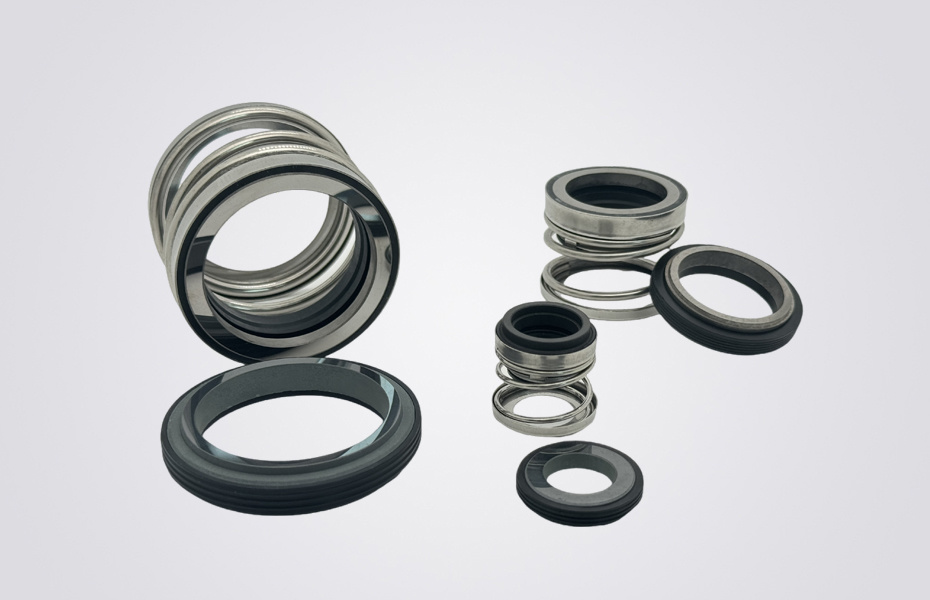
Mechanical seals work on a simple principle: they utilize a combination of mechanical force and fluid pressure to create a sealing barrier. This barrier prevents the escape of fluids, which is crucial in applications where leakage could lead to significant losses or safety hazards. The key parts of a mechanical seal include the rotating face, stationary face, spring, and elastomeric sealing components. When the pump operates, these components interact to maintain a tight seal under various pressures and temperatures.
2.1 The Role of Surface Finish
The performance of mechanical seals is heavily influenced by the surface finish of the sealing faces. A smoother finish results in a better sealing performance, reducing the risk of leakage. Manufacturers typically specify surface roughness parameters to ensure optimal contact between the faces, enhancing the seal's effectiveness and lifespan.
2.2 Importance of Material Selection
The materials used in mechanical seals are selected based on the application requirements, such as temperature, chemical compatibility, and pressure. Common materials include carbon, ceramic, and various alloys. Each material offers distinct advantages, and choosing the right one is crucial for the seal's reliability and longevity.
3. Types of Mechanical Seals Used in Centrifugal Pumps
Several types of mechanical seals are utilized in centrifugal pumps, each designed to address specific challenges. Understanding these types can help in selecting the right seal for particular applications.
3.1 Single Mechanical Seals
Single mechanical seals are the most common type used in centrifugal pumps. They consist of a single pair of sealing faces and are typically used in moderate pressure applications. Their simplicity makes them cost-effective and easy to install.
3.2 Double Mechanical Seals
Double mechanical seals consist of two pairs of sealing faces and are designed for high-pressure or hazardous applications. They provide an additional layer of protection against leakage, making them ideal for corrosive or toxic fluids.
3.3 Cartridge Mechanical Seals
Cartridge mechanical seals come pre-assembled with all necessary components, making installation straightforward. They ensure precise alignment and reduce the risk of installation errors, enhancing reliability.
4. Benefits of Using Mechanical Seals in Centrifugal Pumps
Implementing mechanical seals in centrifugal pumps offers numerous advantages that contribute to overall system efficiency and reliability.
4.1 Leakage Prevention
One of the primary benefits of mechanical seals is their ability to prevent fluid leakage. This not only minimizes product loss but also protects the environment and reduces cleanup costs.
4.2 Enhanced Equipment Longevity
Mechanical seals are designed to withstand harsh operating conditions, which can lead to extended equipment life. By reducing wear and tear on pump components, they contribute to lower maintenance costs and downtime.
4.3 Improved Operational Efficiency
With a reliable sealing solution, centrifugal pumps can operate at optimal efficiency. Mechanical seals help maintain consistent pressure and flow rates, ensuring that the pump functions as intended.
5. How to Select the Right Mechanical Seal
Choosing the right mechanical seal requires careful consideration of various factors to ensure optimal performance.
5.1 Assessing Operating Conditions
Understanding the operating conditions, such as temperature, pressure, and the type of fluid being pumped, is crucial. Different seals are designed to perform under specific conditions, so assessing these parameters will guide the selection process.
5.2 Considering the Type of Pump
Different centrifugal pumps may have unique requirements based on their design and application. It’s essential to select a mechanical seal that is compatible with the specific pump type to ensure effective sealing.
5.3 Evaluating Material Compatibility
The material of the mechanical seal must be compatible with the pumped fluid to prevent chemical degradation. Conducting a compatibility assessment can prevent premature seal failure.
6. Best Practices for Mechanical Seal Installation
Proper installation is critical for the effective operation of mechanical seals. Following best practices can help avoid issues down the line.
6.1 Ensuring Cleanliness
Before installation, it’s essential to ensure that all components are clean and free from debris. Contaminants can compromise the integrity of the seal and lead to failures.
6.2 Correct Alignment
Proper alignment of the pump shaft and mechanical seal is crucial. Misalignment can lead to uneven wear and premature failure. Utilize alignment tools and techniques to achieve optimal positioning.
6.3 Following Manufacturer Guidelines
Always refer to the manufacturer’s installation instructions. Adhering to these guidelines ensures that the mechanical seal is installed correctly and operates as intended.
7. Maintenance and Troubleshooting of Mechanical Seals
Regular maintenance and troubleshooting are essential for ensuring the longevity of mechanical seals.
7.1 Routine Inspections
Conduct routine inspections to identify wear and potential issues. Monitoring the condition of mechanical seals can prevent unexpected failures and costly repairs.
7.2 Addressing Common Issues
Common issues with mechanical seals, such as leakage, overheating, or abnormal noise, should be addressed promptly. Understanding these symptoms and their causes can aid in effective troubleshooting.
7.3 Implementing a Maintenance Schedule
Establishing a regular maintenance schedule can help keep mechanical seals in optimal condition. This includes checking for signs of wear, replacing seals as necessary, and ensuring alignment remains correct.
8. Conclusion
Mechanical seals are vital components that significantly enhance the efficiency and reliability of centrifugal pumps. By preventing leakage, reducing wear, and improving operational efficiency, these seals play a crucial role in various industrial applications. Proper selection, installation, and maintenance of mechanical seals can lead to prolonged equipment life and reduced operational costs. Understanding the nuances of mechanical seals ensures that operators can optimize their centrifugal pump systems for maximum performance.
9. Frequently Asked Questions
9.1 What is the primary function of a mechanical seal?
The primary function of a mechanical seal is to prevent leakage of fluids between the stationary and rotating components of a pump, maintaining system integrity.
9.2 How often should mechanical seals be replaced?
The replacement frequency of mechanical seals depends on operating conditions and wear. Routine inspections can help determine when a seal needs to be replaced.
9.3 What are the signs of a failing mechanical seal?
Signs of a failing mechanical seal include visible leakage, abnormal noise, excessive heat, and changes in pump performance.
9.4 Can mechanical seals be used in corrosive environments?
Yes, mechanical seals can be made from materials that withstand corrosive environments. Choosing the right material based on the pumped fluid is crucial.
9.5 Are mechanical seals easy to install?
While mechanical seals can be installed easily with the right tools and adherence to manufacturer guidelines, attention to detail is essential for ensuring proper function.
Mechanical Seal for Centrifugal Pump

Message
* Please enter your phone number to get a free product quote
Copyright © Sichuan Bozhengda Mechanical Seal Technology Co., Ltd. Powered by www.300.cn