

Understanding the Role of Mechanical Seals in Centrifugal Pumps: A Comprehensive Guide
Release time:
2025-11-09
Understanding the Role of Mechanical Seals in Centrifugal Pumps
Centrifugal pumps are fundamental to various industrial applications, from water supply to chemical processing. **Mechanical seals** play a pivotal role in ensuring these pumps operate efficiently and reliably. In this article, we will delve into the intricacies of how mechanical seals function within centrifugal pumps, their types, advantages, and best practices for maintenance.
Table of Contents
- Introduction to Mechanical Seals
- Importance of Mechanical Seals in Centrifugal Pumps
- Mechanical Seal Types and Their Applications
- How Mechanical Seals Function in Centrifugal Pumps
- Benefits of Mechanical Seals Over Packaged Gland Seals
- Common Issues with Mechanical Seals
- Maintenance Tips for Mechanical Seals
- Conclusion
- FAQs
Introduction to Mechanical Seals
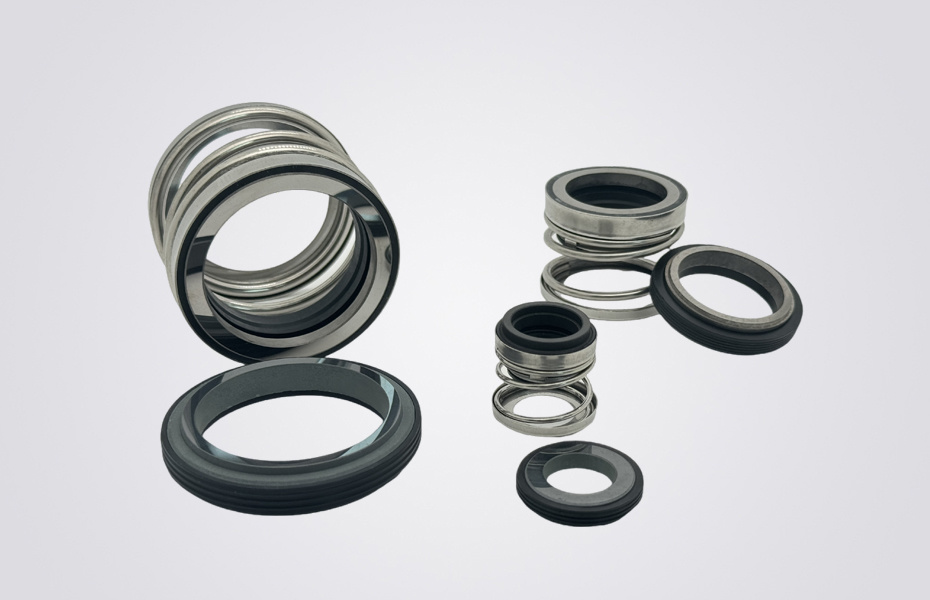
**Mechanical seals** are devices that provide a robust barrier to prevent the leakage of fluids within rotating machinery, specifically in centrifugal pumps. They typically consist of two mating surfaces—a rotating face and a stationary face—held together by springs or other means to ensure a tight seal. Understanding the mechanics of these seals is essential for anyone involved in the operation or maintenance of centrifugal pumps.
Importance of Mechanical Seals in Centrifugal Pumps
The primary purpose of mechanical seals is to prevent leakage between the pump shaft and the pump casing. This function is crucial for several reasons:
Fluid Containment
Mechanical seals effectively contain the fluid being pumped, thus preventing waste and maintaining system pressure. This containment is vital in industrial applications where even minimal leakage can result in significant losses.
Operational Efficiency
By minimizing leakage, mechanical seals help maintain the efficiency of centrifugal pumps. This efficiency translates into lower energy consumption and reduced operational costs, which is essential in large-scale industrial settings.
Environmental Safety
In industries handling hazardous or toxic substances, mechanical seals play a critical role in environmental protection. They prevent contaminants from escaping into the environment, ensuring compliance with safety regulations.
Mechanical Seal Types and Their Applications
Mechanical seals come in various designs, each suited for specific applications. Understanding these types can help in selecting the right seal for your centrifugal pump.
Single Mechanical Seals
Single mechanical seals are the most common type used in centrifugal pumps. They consist of one rotating and one stationary face and are suitable for low-pressure applications.
Double Mechanical Seals
Double seals consist of two sets of sealing faces, providing an added layer of protection. They are used in applications where leakage could pose a risk, such as in chemical processing or when pumping hazardous fluids.
Cartridge Mechanical Seals
Cartridge seals come pre-assembled, making them easier to install. They are popular in industries where maintenance often occurs and ensure consistent sealing performance.
Specialized Mechanical Seals
Certain industries may require specialized seals, such as those designed for high-temperature or high-pressure applications. These seals are engineered to withstand extreme conditions without compromising performance.
How Mechanical Seals Function in Centrifugal Pumps
The operation of mechanical seals in centrifugal pumps can be broken down into several key components:
Face Interaction
The sealing faces of a mechanical seal work together to prevent fluid leakage. The interaction between the two surfaces generates a thin film of liquid that provides lubrication and helps reduce wear.
Spring Mechanism
Springs in mechanical seals maintain contact between the sealing faces, compensating for wear and maintaining necessary pressure. This ensures a consistent seal under varying operational conditions.
Fluid Film Formation
When the pump operates, a fluid film forms between the sealing faces. This film acts as a barrier, preventing direct contact and reducing friction. It is crucial for the longevity of the mechanical seal.
Benefits of Mechanical Seals Over Packaged Gland Seals
Mechanical seals outperform traditional packed gland seals in several aspects, making them the preferred choice for many applications.
Reduced Leakage
Mechanical seals provide superior sealing performance, significantly reducing leakage compared to packed gland seals. This characteristic is especially important in industries with strict environmental regulations.
Lower Maintenance Costs
While the initial cost of mechanical seals may be higher, their longer lifespan and reduced maintenance needs lead to lower overall costs. This makes them a cost-effective solution in the long run.
Improved Performance
Mechanical seals maintain consistent pressure and flow rates, enhancing the overall performance of centrifugal pumps. This reliability is crucial for maintaining production efficiency in industrial settings.
Common Issues with Mechanical Seals
Despite their advantages, mechanical seals can encounter issues that may affect pump performance. Understanding these problems can aid in early detection and prevention.
Wear and Tear
Over time, sealing faces can wear down due to friction and operational stress. Regular inspections can help identify signs of wear before they lead to failure.
Misalignment
Improper alignment between the pump shaft and mechanical seal can cause uneven wear and premature failure. Ensuring proper installation is vital for optimal performance.
Seal Failure
Seal failure can occur due to various factors, including excessive pressure, temperature fluctuations, or contamination from foreign particles. Monitoring operating conditions and maintaining cleanliness can prevent seal failure.
Maintenance Tips for Mechanical Seals
Proper maintenance is essential for prolonging the life of mechanical seals and ensuring the efficient operation of centrifugal pumps. Here are some tips to consider:
Regular Inspections
Conduct routine inspections of the mechanical seals for signs of wear, leakage, or misalignment. Early detection of issues can prevent more significant problems down the line.
Monitor Operating Conditions
Keep an eye on the operating conditions of the pump, such as temperature and pressure. Ensuring that these parameters remain within specified limits is critical for seal longevity.
Clean Environment
Ensure that the environment around the pump is clean and free of contaminants. This includes checking for debris that could interfere with the sealing surfaces.
Proper Installation
When installing mechanical seals, adhere to manufacturer guidelines. Proper installation techniques can prevent many common issues associated with seal failure.
Conclusion
Mechanical seals are a vital component in the operation of centrifugal pumps, offering significant advantages over traditional sealing methods. Their ability to prevent leakage, enhance efficiency, and improve safety makes them an essential consideration for any industrial application. By understanding the various types of mechanical seals, their functions, and the importance of proper maintenance, we can ensure optimal performance and longevity of centrifugal pumps in a variety of settings.
FAQs
1. What is the main function of mechanical seals in centrifugal pumps?
The main function of mechanical seals in centrifugal pumps is to prevent leakage between the pump shaft and the casing, ensuring efficient operation and safety.
2. How do I know if my mechanical seal is failing?
Signs of a failing mechanical seal include visible leaks, unusual noises, and decreased performance of the pump. Regular inspections can help identify these issues early.
3. What are the different types of mechanical seals?
The main types of mechanical seals include single mechanical seals, double mechanical seals, cartridge seals, and specialized seals designed for specific applications.
4. How can I maintain my mechanical seals?
Regular inspections, monitoring operating conditions, maintaining a clean environment, and ensuring proper installation are key maintenance practices for mechanical seals.
5. Are mechanical seals more cost-effective than packed gland seals?
Yes, while mechanical seals may have a higher initial cost, their longer lifespan and reduced maintenance needs make them more cost-effective in the long run.
Mechanical Seal for Centrifugal Pump

Message
* Please enter your phone number to get a free product quote
Copyright © Sichuan Bozhengda Mechanical Seal Technology Co., Ltd. Powered by www.300.cn