

Why TC Bush Seals Are Essential for Mechanical Equipment Efficiency
Release time:
2025-10-10
Why TC Bush Seals Are Essential for Mechanical Equipment Efficiency
Table of Contents
- 1. Introduction to TC Bush Seals
- 2. Importance of Sealing Solutions in Mechanical Equipment
- 3. Understanding TC Bush Seal Design and Construction
- 4. Operational Benefits of TC Bush Seals
- 5. Material Compatibility and Performance
- 6. Maintenance Practices for TC Bush Seals
- 7. Applications of TC Bush Seals in Various Industries
- 8. Common Issues and Solutions with TC Bush Seals
- 9. Conclusion
- 10. Frequently Asked Questions
1. Introduction to TC Bush Seals
TC Bush Seals are a vital component in the realm of mechanical equipment. These seals serve as a protective barrier, ensuring that lubricants remain contained while preventing the ingress of dust and contaminants. By maintaining the integrity of machinery, TC Bush Seals play a crucial role in optimizing efficiency and prolonging equipment life.
2. Importance of Sealing Solutions in Mechanical Equipment
In mechanical systems, the importance of sealing solutions cannot be overstated. Seals help in reducing friction, preventing wear and tear, and enhancing operational fluency. Without effective seals, machines are prone to leaks, which can lead to catastrophic failures and costly downtime.
2.1 Enhancing Operational Efficiency
Effective sealing solutions, such as TC Bush Seals, enhance operational efficiency by reducing maintenance needs and minimizing the risk of equipment damage. This added efficiency translates into significant cost savings for businesses.
2.2 Importance in Fluid Dynamics
In many mechanical systems, fluid dynamics play a significant role. TC Bush Seals help maintain the necessary pressure and viscosity of lubricants, which is critical for the smooth operation of machinery.
3. Understanding TC Bush Seal Design and Construction
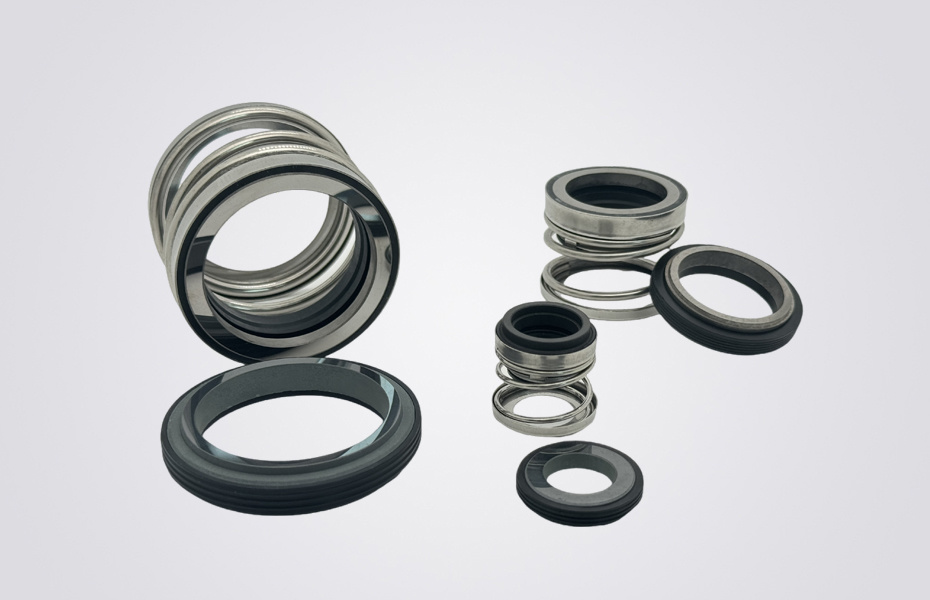
To fully appreciate the role of TC Bush Seals, it’s essential to understand their design and construction. Typically, they consist of three main components: the sealing lip, the body, and the reinforcement. Each component plays a crucial role in ensuring the seal's effectiveness.
3.1 Sealing Lip
The sealing lip is the most critical part of the TC Bush Seal, designed to make contact with the shaft. Its geometry determines how well it will perform under various conditions.
3.2 Body Structure
The body of the seal provides structural integrity and strength. It is designed to withstand operational stresses, ensuring durability in demanding environments.
3.3 Reinforcement
Reinforcement materials can vary, with options including metal or polymer enhancements. This added strength is vital for preventing deformation under pressure.
4. Operational Benefits of TC Bush Seals
TC Bush Seals offer numerous operational benefits that contribute to the overall efficiency of mechanical equipment.
4.1 Reduced Friction
By providing an effective barrier, TC Bush Seals help reduce friction between moving parts, which is essential for minimizing heat generation and wear.
4.2 Improved Longevity
With their ability to prevent contamination and retain lubricants, TC Bush Seals significantly enhance the longevity of mechanical components.
4.3 Cost Savings
Ultimately, the use of TC Bush Seals can lead to substantial cost savings by reducing the frequency of repairs and replacements.
5. Material Compatibility and Performance
The performance of TC Bush Seals is highly dependent on the materials used in their construction. Understanding material compatibility helps ensure that the seals can withstand the operational environment they will be exposed to.
5.1 Types of Materials
Common materials include nitrile rubber, fluorocarbon, and silicone, each selected based on its resistance to temperature, chemical exposure, and wear.
5.2 Temperature and Chemical Resistance
Choosing the right material can ensure that the TC Bush Seals maintain their integrity even under extreme conditions, thus ensuring continuous operation.
6. Maintenance Practices for TC Bush Seals
While TC Bush Seals are designed for durability, proper maintenance is essential to maximize their lifespan and performance.
6.1 Regular Inspections
Conducting regular inspections can help identify wear and tear before they lead to seal failure, allowing for timely replacements.
6.2 Lubrication Management
Ensuring proper lubrication levels is vital. Over or under-lubricating can compromise seal performance and lead to premature failure.
7. Applications of TC Bush Seals in Various Industries
TC Bush Seals find applications across multiple industries due to their versatility and reliability.
7.1 Automotive Industry
In the automotive sector, TC Bush Seals are commonly used in engines, transmissions, and differentials, ensuring optimal performance in various conditions.
7.2 Manufacturing and Industrial Equipment
In manufacturing, these seals are crucial for machinery that requires high levels of precision and reliability.
7.3 Agricultural Machinery
Agricultural equipment, which often operates under harsh conditions, benefits significantly from the protective features of TC Bush Seals.
8. Common Issues and Solutions with TC Bush Seals
Despite their robustness, TC Bush Seals can encounter issues that may affect their performance.
8.1 Seal Leakage
Leakage can occur due to improper installation or wear. It is critical to monitor seals regularly and replace any that show signs of failure.
8.2 Contamination Ingress
To prevent contamination, ensure that the seals are properly fitted and that the surrounding environment is as clean as possible.
8.3 Temperature Fluctuations
Extreme temperature changes can affect seal performance. Selecting materials rated for the specific temperature range can mitigate this risk.
9. Conclusion
TC Bush Seals are an essential component in ensuring the efficiency and longevity of mechanical equipment. Their design and material composition provide a robust solution for maintaining operational integrity. From reducing maintenance costs to enhancing performance, the advantages of TC Bush Seals are clear. By understanding their significance and applications, industries can improve their operational efficiencies and safeguard their investments in machinery.
10. Frequently Asked Questions
10.1 What are TC Bush Seals made of?
TC Bush Seals are typically made from various materials such as nitrile rubber or fluorocarbon to provide different levels of chemical and temperature resistance.
10.2 How can I tell if my TC Bush Seal is failing?
Signs of a failing seal include noticeable leaks, grinding noises, or excessive heat in the machinery where the seal is installed.
10.3 Are TC Bush Seals suitable for high-temperature environments?
Yes, when made from the appropriate materials, TC Bush Seals can perform well in high-temperature environments.
10.4 How often should TC Bush Seals be replaced?
Replacement frequency depends on the application and conditions but should be checked during routine maintenance.
10.5 Can TC Bush Seals be reused?
Generally, TC Bush Seals are not designed for reuse. Once removed, their integrity may be compromised, making replacement necessary for optimal performance.
By understanding the critical role of TC Bush Seals in mechanical equipment, industries can achieve higher efficiency and reliability in their operations.
TC bush

Message
* Please enter your phone number to get a free product quote
Copyright © Sichuan Bozhengda Mechanical Seal Technology Co., Ltd. Powered by www.300.cn