

Top 10 Essential Pump Spares Every Industry Should Consider
Release time:
2025-09-28
Top 10 Essential Pump Spares Every Industry Should Consider
Pumps play a vital role in various industrial applications, from water treatment to chemical processing. Ensuring that these pumps function efficiently requires not just regular maintenance but also having the right spare parts on hand. In this article, we will explore the top 10 essential pump spares that every industry should consider. By understanding these components, businesses can minimize downtime, enhance operational efficiency, and extend the lifespan of their equipment.
Table of Contents
- 1. Mechanical Seals: The Heart of Pump Efficiency
- 2. Bearings: Ensuring Smooth Operation
- 3. Impellers: Key to Fluid Movement
- 4. O-Rings and Gaskets: Preventing Leaks
- 5. Shafts: The Backbone of Pump Mechanics
- 6. Pump Casings: Protecting Internal Components
- 7. Filters: Ensuring Clean Fluid Flow
- 8. Valves: Controlling Fluid Dynamics
- 9. Lubricants: Reducing Friction and Wear
- 10. Control Systems: Enhancing Automation
- Frequently Asked Questions (FAQs)
- Conclusion
1. Mechanical Seals: The Heart of Pump Efficiency
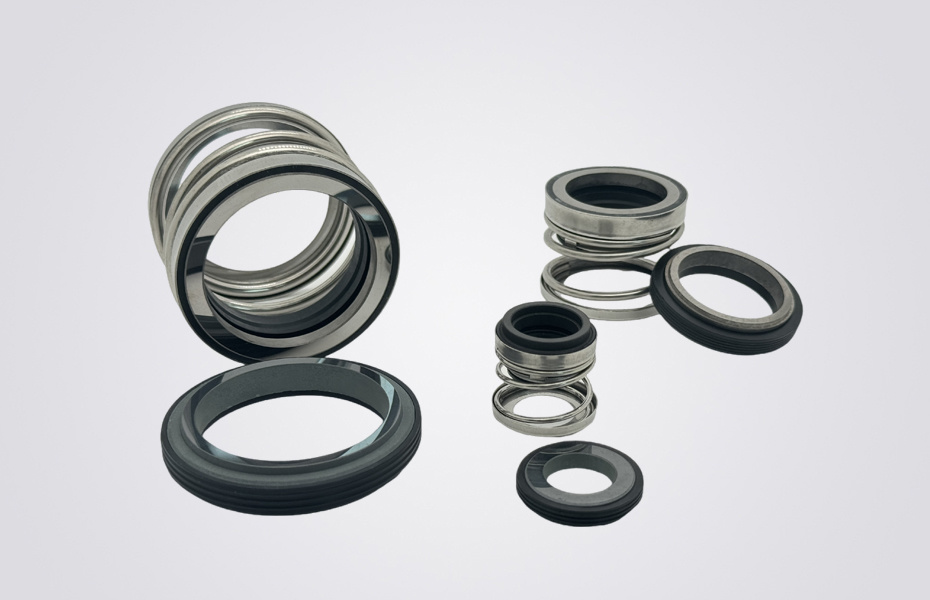
Mechanical seals are essential components that prevent fluid leakage from the pump shaft. They operate by creating a seal between the rotating and stationary parts of the pump, ensuring maximum efficiency. Selecting the right mechanical seal based on the fluid type and operating conditions is critical. High-quality seals not only reduce the risk of leaks but also minimize maintenance costs by prolonging the life of the pump.
Types of Mechanical Seals
There are several types of mechanical seals, including:
- Single Seals: Common in lower pressure applications.
- Double Seals: Used for hazardous or volatile fluids.
- Cartridge Seals: Easy to install and replace.
2. Bearings: Ensuring Smooth Operation
Bearings are crucial for the smooth operation of pumps. They support the rotating shaft and reduce friction, allowing pumps to operate efficiently. Regularly inspecting and replacing worn bearings can prevent unexpected failures and costly downtimes.
Choosing the Right Bearings
When selecting bearings, consider factors such as load capacity, speed rating, and environmental conditions. Proper lubrication is also critical to ensure their longevity.
3. Impellers: Key to Fluid Movement
Impellers are responsible for the movement of fluids within the pump. They convert rotational energy from the motor into kinetic energy, facilitating efficient fluid transfer. Depending on the application, different impeller designs and materials may be required.
Factors Affecting Impeller Performance
Impeller performance can be influenced by:
- **Design:** Open, semi-open, or closed impellers.
- **Material:** Corrosion-resistant materials for harsh environments.
- **Diameter:** Larger diameters typically enhance flow rates.
4. O-Rings and Gaskets: Preventing Leaks
O-rings and gaskets are essential for sealing joints and preventing leaks in pumps. They come in various materials, including rubber, silicone, and fluorocarbon, tailored to withstand different temperatures and chemical exposures.
Maintaining Seals
Regular inspection of O-rings and gaskets is vital. Replacing them at the first signs of wear can save costs associated with fluid leaks and environmental damage.
5. Shafts: The Backbone of Pump Mechanics
The shaft transmits power from the motor to the impeller. A damaged shaft can lead to operational inefficiencies and complete pump failure. It’s essential to have spare shafts on hand, especially for high-capacity pumps.
Shaft Material Considerations
Choosing the right shaft material is crucial. Stainless steel is generally preferred for its corrosion resistance, while carbon steel may be suitable for less aggressive environments.
6. Pump Casings: Protecting Internal Components
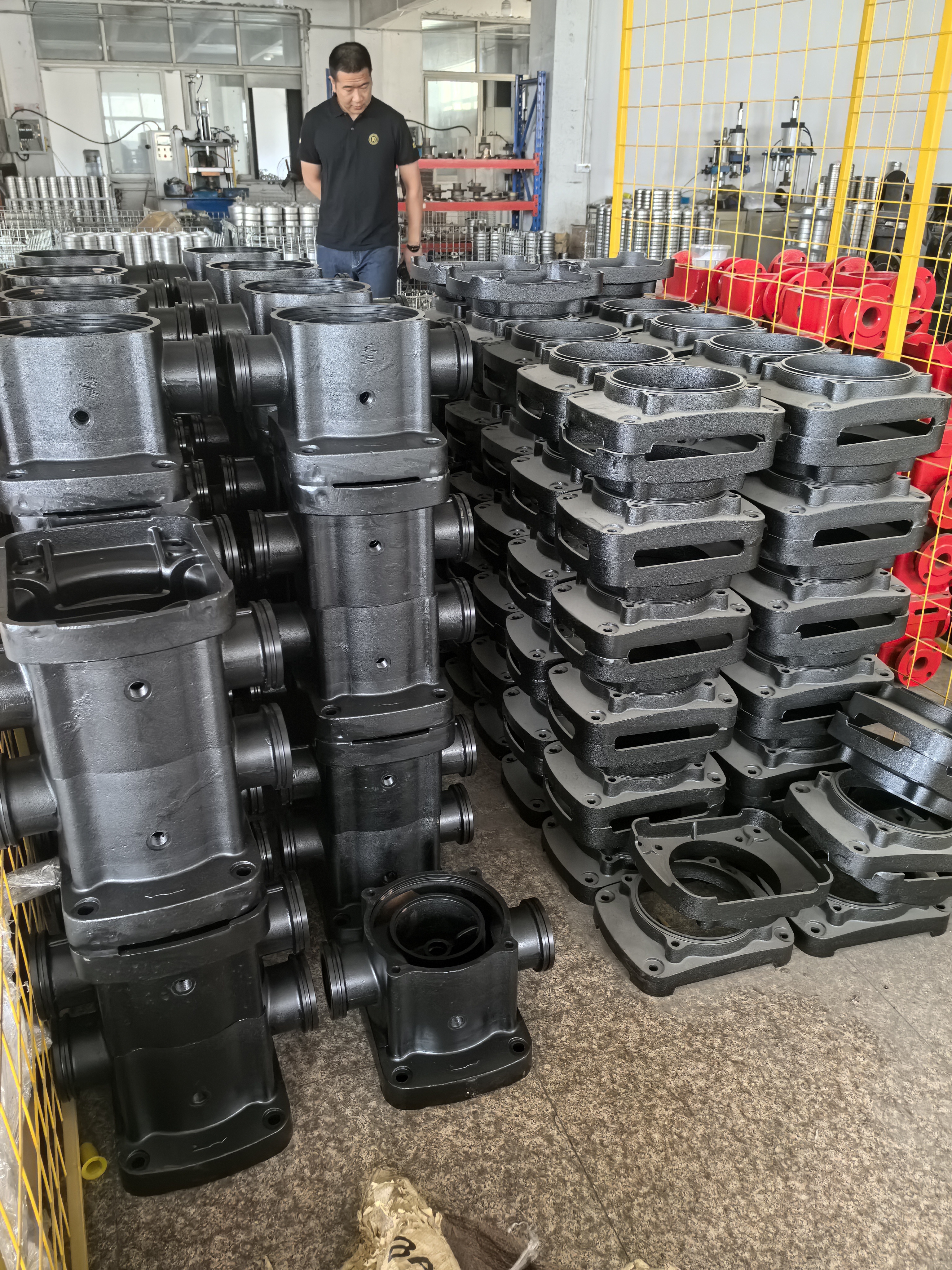
Pump casings house internal components and protect them from environmental factors. A robust casing can prevent external damages and enhance pump longevity. Having spare casings can expedite repairs during breakdowns.
Material Choices for Pump Casings
Common materials include:
- Cast Iron: Durable and cost-effective.
- Stainless Steel: Ideal for corrosive fluids.
- Plastic: Lightweight and resistant to certain chemicals.
7. Filters: Ensuring Clean Fluid Flow
Filters are vital in maintaining the cleanliness of the fluid being pumped. They prevent debris from entering the pump, which can cause wear and inefficiencies. Regular replacement of filters is necessary for optimal pump performance.
Types of Filters
Consider these filter types:
- Mesh Filters: Suitable for coarse debris.
- Cartridge Filters: Ideal for fine filtration.
- Strainer Filters: Used for basic sediment removal.
8. Valves: Controlling Fluid Dynamics
Valves regulate the flow and pressure of fluids in a pumping system. Having spare valves allows for quick replacements and ensures that flow control is maintained during emergencies.
Common Valve Types in Pump Systems
Some commonly used valves include:
- Ball Valves: Provide quick shut-off.
- Gate Valves: Used for on/off control.
- Check Valves: Prevent backflow in the system.
9. Lubricants: Reducing Friction and Wear
Proper lubrication is critical for the longevity of pump components. Using the right type of lubricant can reduce friction and wear on bearings and seals, promoting smoother operation.
Choosing the Right Lubricant
Consider the following factors when selecting a lubricant:
- **Viscosity:** Adequate thickness for effective lubrication.
- **Temperature Stability:** Ability to function under varying temperatures.
- **Compatibility:** Ensure the lubricant is compatible with the pump materials.
10. Control Systems: Enhancing Automation
Modern pumps often rely on control systems for automation and efficiency. Having spare control components, such as sensors and controllers, can help maintain operational continuity and optimize performance.
Benefits of Advanced Control Systems
Implementing advanced control systems can lead to:
- **Improved Monitoring:** Real-time data on pump performance.
- **Energy Efficiency:** Reduced energy consumption through optimized operations.
- **Predictive Maintenance:** Anticipating failures before they occur.
Frequently Asked Questions (FAQs)
What are pump spares?
Pump spares are replacement parts that are essential for the maintenance and operation of pumps. They help to ensure that pumps run efficiently and minimize downtime due to failures.
Why are mechanical seals important?
Mechanical seals prevent leakage of fluids from the pump shaft, which is crucial for maintaining efficiency and reducing operational costs.
How often should pump spares be replaced?
The frequency of replacement depends on the application and operational conditions. Regular inspections can help identify wear and determine when replacements are necessary.
Can I use generic pump spares?
While generic spares may be cheaper, using manufacturer-recommended parts ensures compatibility and reliability. It is advisable to use OEM parts for optimal performance.
How do I know what spares to keep on hand?
Assess your pump systems and identify the most critical components that experience wear. Consult with your equipment supplier for recommendations based on your specific applications.
Conclusion
Having the right spare parts for your pumps is essential for maintaining operational efficiency and minimizing downtime in any industrial setting. By focusing on these top 10 essential pump spares, industries can ensure their pump systems function optimally, extend their lifespan, and reduce maintenance costs. Investing in quality spares not only enhances productivity but also contributes to the overall success of industrial operations.
pump spares

Message
* Please enter your phone number to get a free product quote
Copyright © Sichuan Bozhengda Mechanical Seal Technology Co., Ltd. Powered by www.300.cn