

Understanding the Importance of Pump Spares in Industrial Machinery: A Comprehensive Guide
Release time:
2025-09-22
Understanding the Importance of Pump Spares in Industrial Machinery
The Role of Pumps in Industrial Machinery
In the vast landscape of industrial machinery, pumps serve as the beating heart that facilitates the movement of fluids. Whether it’s water, chemicals, or other substances, pumps ensure that processes run smoothly and efficiently. Their applications span across various sectors, including manufacturing, construction, and oil and gas.
Types of Pumps Used in Industry
Understanding the types of pumps is crucial to appreciate the importance of their spares. The most commonly used pumps in industrial settings include:
- **Centrifugal Pumps**: Ideal for transporting large volumes of liquids at low pressure.
- **Positive Displacement Pumps**: Used for high-viscosity fluids, ensuring a constant flow regardless of pressure changes.
- **Diaphragm Pumps**: Perfect for corrosive fluids and applications requiring a completely sealed system.
Each type has specific components that may require replacement over time, making spare parts an essential consideration.
Why Pump Spares Matter
The significance of pump spares extends beyond mere functionality. Quality spare parts ensure the longevity and efficiency of pumps, influencing overall operational success.
Enhancing Efficiency with Quality Parts
Using high-quality pump spares leads to better performance. Quality components reduce energy consumption, optimize flow rates, and minimize downtime. Investing in reliable spares pays off in the long run, as it decreases operational costs and improves productivity.
Preventing Unexpected Downtime
Industrial processes often rely on the continuous operation of machinery. Unforeseen pump failures can lead to significant financial losses. By maintaining an adequate inventory of essential spares, companies can quickly address issues, ensuring minimal disruption to their operations.
Components of Pump Spares
Understanding the various components that make up pump spares is essential for effective maintenance and replacement strategies.
Seals and Gaskets
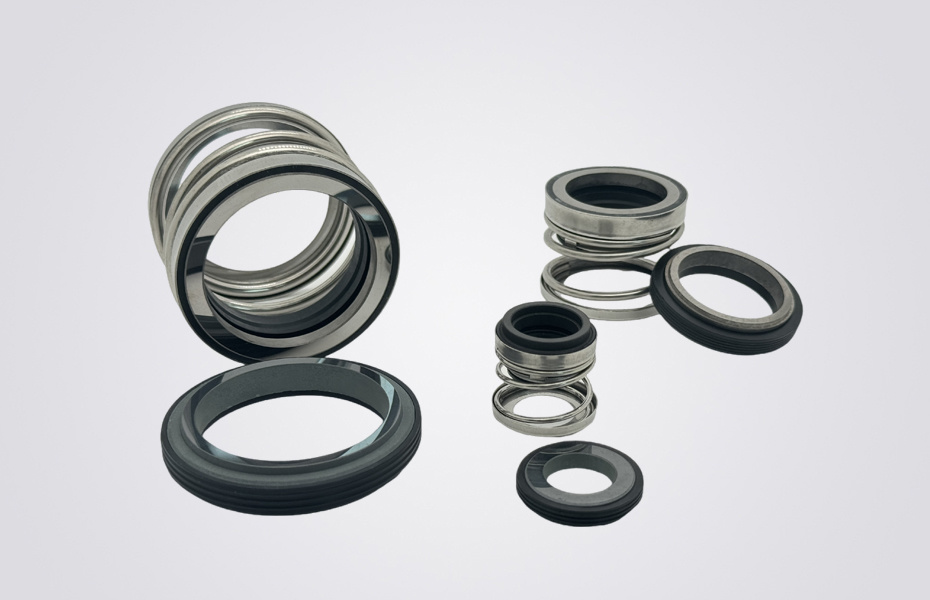
Seals and gaskets prevent leaks and maintain pressure within the pump. They are critical in ensuring that the pump operates effectively. Regular inspection and timely replacement of these components can prevent costly fluid loss and system failures.
Impellers and Rotating Elements
Impellers are responsible for moving the fluid through the pump. Over time, wear and tear can affect their efficiency. Having high-quality impellers as spares ensures that the pump maintains optimal performance.
Bearings and Shaft Sleeves
Bearings support the rotating parts of the pump and facilitate smooth operation. Shaft sleeves protect the shaft from wear and tear. Both components are vital for maintaining the integrity and efficiency of the pump.
Tips for Managing Pump Spare Parts
Effective management of pump spare parts can enhance machinery reliability and performance.
Establish a Spare Parts Inventory System
A well-organized inventory system helps track spare parts usage and availability. This approach ensures that critical components are always on hand, reducing lead time for replacements.
Regular Maintenance and Inspection
Implementing a routine maintenance schedule allows for the timely replacement of worn parts. Regular inspections can identify potential issues before they escalate, saving time and resources.
Work with Reliable Suppliers
Partnering with reputable suppliers guarantees access to high-quality spares. These suppliers often provide warranties and support, adding value to your investment.
Common Myths About Pump Spares
Debunking myths surrounding pump spares can lead to better decision-making in operations.
Myth 1: All Spare Parts Are Interchangeable
Not all spare parts are created equal. Using non-OEM (Original Equipment Manufacturer) parts may save money initially, but they can lead to more significant issues down the line due to compatibility and quality concerns.
Myth 2: Regular Maintenance Isn’t Necessary
Neglecting regular pump maintenance can lead to premature failures. Routine check-ups and part replacements extend the life of the pump and ensure reliable operation.
Conclusion
In the industrial sector, the importance of **pump spares** cannot be understated. They are vital for maintaining the efficiency, reliability, and longevity of machinery. By understanding the role of pumps, investing in quality spare parts, and implementing effective management practices, industrial operations can enhance productivity and minimize downtime. Prioritizing pump maintenance and spare parts management is not just a strategy; it’s a necessity for sustainable growth in any industry reliant on machinery.
Frequently Asked Questions (FAQs)
1. What are the most common spare parts needed for pumps?
The most common spare parts for pumps include seals, gaskets, impellers, bearings, and shaft sleeves.
2. How can I tell when a pump part needs to be replaced?
Signs of wear, such as leaks, unusual noises, or decreased performance, indicate that a pump part may need replacement.
3. Are OEM parts worth the investment?
Yes, OEM parts are typically of higher quality and designed specifically for your pump model, ensuring compatibility and longevity.
4. How can I extend the lifespan of my pump?
Regular maintenance, timely replacement of worn parts, and using quality spares can significantly extend the lifespan of your pump.
5. What should I look for in a pump spare parts supplier?
Look for suppliers with a strong reputation, quality certifications, and a wide range of products to ensure you get reliable, high-quality parts.
pump spares

Message
* Please enter your phone number to get a free product quote
Copyright © Sichuan Bozhengda Mechanical Seal Technology Co., Ltd. Powered by www.300.cn