

Leveraging Chamber Stacks for Competitive Advantage in the Industrial Equipment Market
Leveraging Chamber Stacks for Competitive Advantage in the Market
Table of Contents
Introduction to Chamber Stacks
Understanding Chamber Stacks and Their Importance
The Role of Mechanical Seals and Sealing Materials
Benefits of Using Chamber Stacks in Industrial Equipment
Design Considerations for Effective Chamber Stacks
Strategies to Leverage Chamber Stacks for Competiti
Release time:
2026-02-04
Leveraging Chamber Stacks for Competitive Advantage in the Market
Table of Contents
- Introduction to Chamber Stacks
- Understanding Chamber Stacks and Their Importance
- The Role of Mechanical Seals and Sealing Materials
- Benefits of Using Chamber Stacks in Industrial Equipment
- Design Considerations for Effective Chamber Stacks
- Strategies to Leverage Chamber Stacks for Competitive Advantage
- Case Studies: Success Stories in Leveraging Chamber Stacks
- Future Trends in Chamber Stack Technology
- Conclusion: The Path Forward
- Frequently Asked Questions (FAQs)
Introduction to Chamber Stacks
In the rapidly evolving landscape of industrial equipment, businesses are constantly seeking ways to enhance operational efficiency and reduce costs. **Chamber stacks**—units designed to optimize the performance of mechanical seals—emerge as critical components that can significantly influence a company's competitive stance. Understanding how to effectively leverage these components can lead to remarkable improvements in productivity and profitability.
Understanding Chamber Stacks and Their Importance
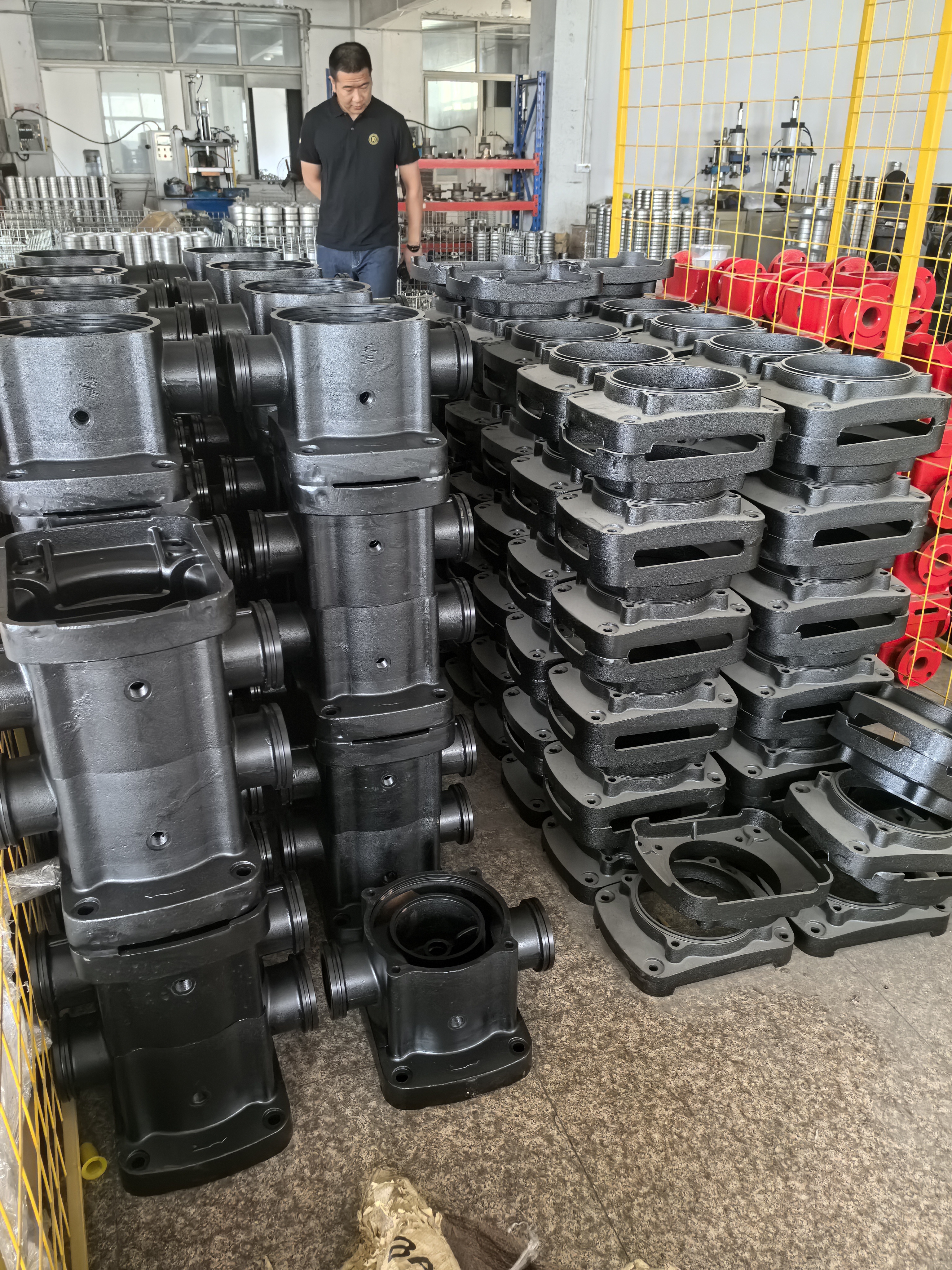
Chamber stacks play a pivotal role in various industrial applications, particularly where sealing efficiency is paramount. By containing and directing fluid flow, chamber stacks ensure that mechanical seals operate under optimal conditions. This section will delve into the anatomy of chamber stacks, highlighting their design, functionality, and the materials typically used in their construction.
The Anatomy of Chamber Stacks
Chamber stacks consist of multiple layers, each serving a specific purpose—be it to enhance sealing capabilities, manage pressure differentials, or facilitate fluid dynamics. Understanding the configuration of these layers is essential in determining how effectively they can be utilized in various applications.
The Functionality of Chamber Stacks
The primary function of chamber stacks is to maintain the integrity of seals in machinery, preventing leaks and ensuring that operations run smoothly. By effectively controlling the environment where seals operate, chamber stacks contribute to extending the life of both seals and equipment.
The Role of Mechanical Seals and Sealing Materials
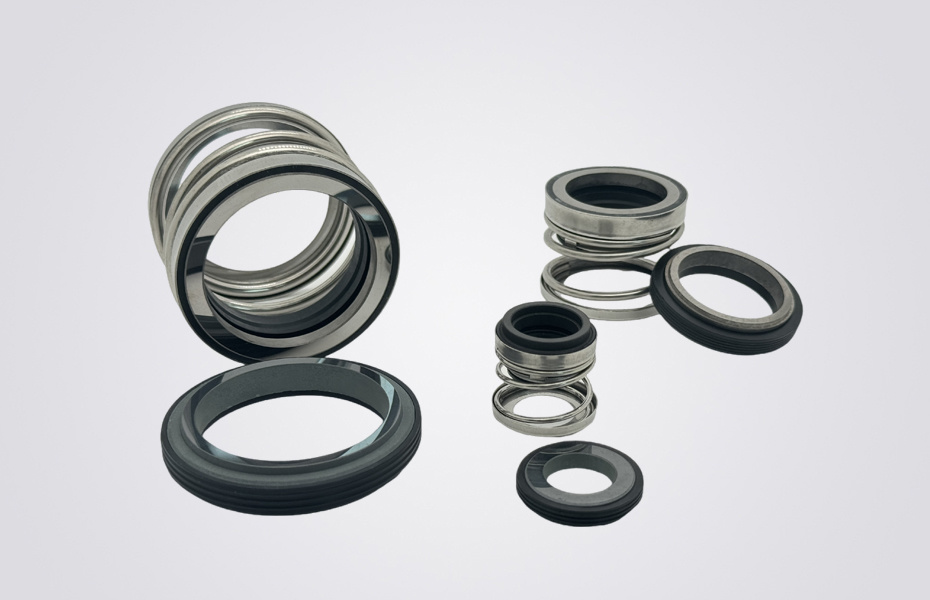
Mechanical seals are vital components in countless industrial applications. They prevent fluid leakage and protect machinery from external contaminants. The selection of appropriate sealing materials is crucial for maximizing the performance of chamber stacks.
Types of Mechanical Seals
Different types of mechanical seals, such as cartridge seals, pusher seals, and non-pusher seals, offer varying benefits depending on the application. Analyzing the specific requirements of your machinery will guide the selection of the best seal type to pair with your chamber stacks.
Sealing Materials: A Critical Element
Choosing the right sealing materials—be it elastomers, PTFE, or graphite—can have a significant impact on the efficiency of both seals and chamber stacks. The properties of these materials must align with the operational environment, including temperature, pressure, and chemical compatibility.
Benefits of Using Chamber Stacks in Industrial Equipment
Implementing chamber stacks provides a multitude of benefits that can elevate a company's operational capabilities.
Enhanced Sealing Performance
Chamber stacks optimize the environment in which mechanical seals operate, leading to reduced wear and tear and extended seal life.
Cost Efficiency and Reduced Downtime
By minimizing leaks and enhancing the reliability of machinery, businesses can experience significant cost savings and reduced downtime. This efficiency translates into a more streamlined operational process, allowing for increased productivity.
Improved Safety and Compliance
Efficient sealing reduces the risk of leaks, which contributes to a safer working environment and ensures compliance with industry regulations.
Design Considerations for Effective Chamber Stacks
Designing chamber stacks requires careful attention to various factors that influence their performance.
Material Selection
The choice of materials must consider factors like temperature, pressure, and chemical exposure to ensure that the chamber stacks can withstand harsh operational environments.
Configuration and Layer Arrangement
The arrangement of layers within chamber stacks can significantly affect their effectiveness. A well-designed configuration can optimize fluid dynamics, enhancing sealing performance.
Testing and Validation
Before full-scale implementation, it is essential to conduct rigorous testing to validate the performance of chamber stacks under real-world conditions.
Strategies to Leverage Chamber Stacks for Competitive Advantage
To truly capitalize on the benefits of chamber stacks, businesses must adopt strategic approaches.
Investing in Research and Development
Continuous investment in R&D is crucial for staying ahead of the competition. Innovation in chamber stack design and material science can lead to breakthroughs that redefine operational capabilities.
Training and Development
Equipping employees with the knowledge and skills necessary to optimize chamber stack usage can enhance efficiency and operational success.
Building Partnerships with Suppliers
Collaborating with suppliers who specialize in high-quality sealing materials and chamber stacks can provide access to the latest technologies and expert insights.
Case Studies: Success Stories in Leveraging Chamber Stacks
Examining real-world examples can provide invaluable insights into the effective use of chamber stacks.
Case Study 1: Manufacturing Industries
A leading manufacturing firm implemented advanced chamber stack solutions, resulting in a 30% increase in equipment reliability and a 20% reduction in maintenance costs.
Case Study 2: Chemical Processing
In a chemical processing plant, the introduction of optimized chamber stacks led to a significant reduction in hazardous leaks, improving safety and compliance ratings.
Future Trends in Chamber Stack Technology
As technology advances, chamber stacks are likely to evolve. Emerging trends include the use of smart technology for real-time monitoring and adaptive sealing capabilities that adjust to changing operational conditions.
Conclusion: The Path Forward
Leveraging chamber stacks effectively can provide companies in the industrial equipment sector with a distinct competitive advantage. By focusing on design considerations, material selections, and strategic implementation, businesses can enhance their operational efficiencies and market positioning.
Frequently Asked Questions (FAQs)
What are chamber stacks?
Chamber stacks are components designed to optimize the performance of mechanical seals by managing fluid flow and maintaining sealing integrity.
How do chamber stacks improve sealing performance?
By controlling the operational environment of seals, chamber stacks reduce wear and extend the lifespan of both seals and machinery.
What materials are commonly used in chamber stacks?
Common materials include elastomers, PTFE, and graphite, chosen based on operational conditions like temperature and chemical exposure.
How can companies implement chamber stacks effectively?
Businesses can implement chamber stacks by focusing on material selection, proper design, and employee training to maximize their benefits.
What are the future trends in chamber stack technology?
Future trends may include smart technology for real-time monitoring and adaptive sealing capabilities to enhance performance in varying conditions.
chamber stack

Message
* Please enter your phone number to get a free product quote
Copyright © Sichuan Bozhengda Mechanical Seal Technology Co., Ltd. Powered by www.300.cn