

Mechanical Seals: Ensuring Efficiency and Reliability in Modern Industrial Equipment
Release time:
2026-01-07
In modern industrial operations, the reliability and efficiency of rotating equipment are critical to production continuity and safety. Among the many components that contribute to optimal machinery performance, the mechanical seal plays a pivotal role in preventing fluid leakage, reducing maintenance costs, and enhancing equipment lifespan. From pumps and mixers to compressors and reactors, mechanical seals are essential across a wide range of industries, including chemical, petrochemical, pharmaceutical, water treatment, and food processing.
A mechanical seal is a device designed to join rotating and stationary components, such as a pump shaft and housing, to prevent the escape of liquids, gases, or slurries. Unlike traditional packing solutions that rely on friction and require frequent adjustments, mechanical seals offer a more reliable and maintenance-friendly solution. By creating a precise, controlled seal, they minimize leakage, reduce energy consumption, and prevent contamination of the environment or product.
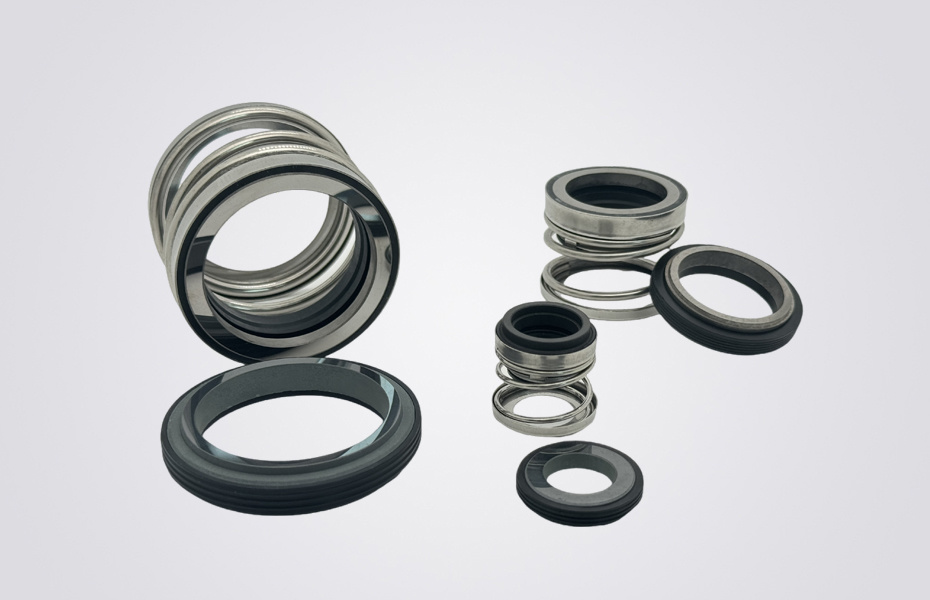
Modern mechanical seals are engineered using high-performance materials such as carbon, silicon carbide, ceramic, and stainless steel. These materials provide excellent wear resistance, thermal stability, and chemical compatibility, enabling the seals to withstand extreme operating conditions, including high temperatures, high pressures, and corrosive or abrasive fluids. Advanced designs also incorporate secondary sealing elements, such as O-rings or bellows, to further enhance reliability and prevent failure under fluctuating conditions.
The advantages of mechanical seals extend beyond leak prevention. By maintaining proper sealing under varying operational conditions, they help reduce pump downtime and extend maintenance intervals. This translates into significant cost savings for industrial operators and ensures uninterrupted production processes. Additionally, mechanical seals can improve safety by preventing hazardous chemicals or high-pressure fluids from escaping into the environment, protecting both personnel and equipment.
Mechanical seals are available in a variety of configurations to meet specific application requirements. Single seals are commonly used for standard conditions, providing a simple yet effective solution. Double seals, often arranged in tandem or back-to-back, offer enhanced protection for hazardous or toxic fluids, providing redundancy in case one seal fails. Cartridge seals, pre-assembled and factory-tested, simplify installation and reduce the risk of installation errors. Engineers select the appropriate seal type based on factors such as fluid properties, temperature, pressure, shaft speed, and environmental regulations.
The demand for mechanical seals has grown steadily due to increasing industrial automation, higher production standards, and stricter environmental regulations. In chemical and pharmaceutical industries, where product purity and contamination prevention are critical, mechanical seals ensure the integrity of the process by preventing leaks. In water and wastewater treatment plants, mechanical seals help maintain operational efficiency while reducing the risk of environmental contamination. Similarly, in oil and gas applications, mechanical seals are crucial for safely handling high-pressure and corrosive fluids.
Innovation in mechanical seal design continues to evolve, with advancements in materials science, lubrication technology, and sealing geometry. Engineers now integrate mechanical seals with condition monitoring systems to track seal performance in real time, allowing predictive maintenance and reducing the likelihood of unexpected failures. Additionally, the development of dry-running seals and non-contact seals has expanded the range of applications, offering solutions for high-speed, low-lubrication, or vacuum environments.
Global market trends indicate that the mechanical seal industry is poised for sustained growth, driven by expanding industrialization, renewable energy projects, and the continuous need for efficient and reliable equipment. Manufacturers are investing in research and development to produce seals with improved durability, higher chemical resistance, and lower friction, enabling energy savings and extended service life for industrial machinery.
In conclusion, mechanical seals are a cornerstone of modern industrial equipment, ensuring leak-free operation, enhanced efficiency, and improved safety across numerous sectors. By leveraging advanced materials, innovative designs, and intelligent monitoring, mechanical seals continue to provide solutions that meet the evolving demands of industries worldwide. As production processes become increasingly automated and stringent regulations continue to shape industrial standards, the importance of high-quality mechanical seals remains paramount for operational success and environmental protection.
Mechanical seal

Message
* Please enter your phone number to get a free product quote
Copyright © Sichuan Bozhengda Mechanical Seal Technology Co., Ltd. Powered by www.300.cn