

How to Select the Right Mechanical Seals for Water Pumps: A Comprehensive Guide
How to Select the Right Mechanical Seals for Water Pumps
When it comes to maintaining the efficiency and reliability of water pumps, selecting the right mechanical seals is paramount. Mechanical seals are critical components that prevent leaks between rotating and stationary parts, ensuring the integrity of your pump system. With a plethora of options available, making an informed decision can be
Release time:
2026-01-05
How to Select the Right Mechanical Seals for Water Pumps
When it comes to maintaining the efficiency and reliability of water pumps, selecting the right mechanical seals is paramount. Mechanical seals are critical components that prevent leaks between rotating and stationary parts, ensuring the integrity of your pump system. With a plethora of options available, making an informed decision can be daunting. This guide will walk you through everything you need to know about selecting the right mechanical seals for your water pumps, ensuring optimal performance and durability.
Understanding Mechanical Seals: The Basics
Mechanical seals are devices used to seal the space between two parts, typically where a rotating shaft passes through a stationary housing. They play a crucial role in preventing the leakage of fluids and vapors, making them essential in various industrial applications, especially in water pumps.
Key Components of Mechanical Seals
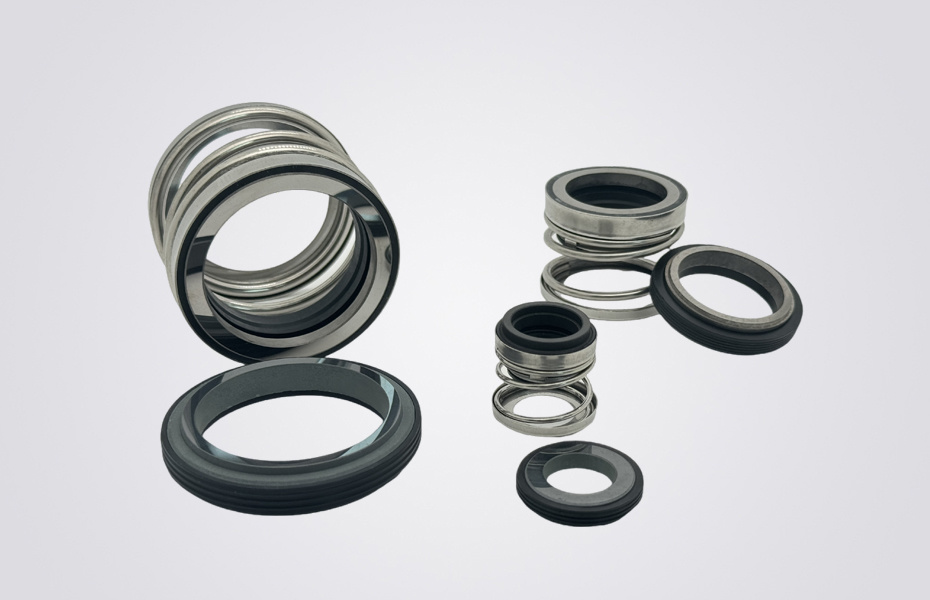
A standard mechanical seal consists of several components:
- **Rotating Face**: This is the part attached to the shaft that rotates with it.
- **Stationary Face**: Fixed to the housing, this face does not move.
- **Spring**: Maintains pressure between the rotating and stationary faces.
- **Elastomer or O-Ring**: Provides additional sealing and compensates for wear and tear.
Importance of Selecting the Right Mechanical Seal
Choosing the correct mechanical seal is vital for several reasons:
- **Leak Prevention**: Proper seals reduce the risk of leaks, which can be detrimental to both safety and efficiency.
- **Cost Savings**: The right seal can minimize maintenance costs and prolong the lifespan of your pump.
- **Efficiency**: Well-chosen seals can enhance the overall efficiency of your water pump system, reducing energy consumption.
Factors to Consider When Selecting Mechanical Seals
When selecting mechanical seals for water pumps, several factors need your attention. Understanding these elements will aid you in making a well-informed choice.
1. Fluid Characteristics
The type of fluid being pumped plays a significant role in seal selection. Consider the following:
- **Viscosity**: High-viscosity fluids require different sealing considerations than low-viscosity fluids.
- **Chemical Compatibility**: Ensure that the seal materials are compatible with the fluids to prevent degradation.
- **Temperature**: High or low temperatures can affect seal performance. Be sure to select materials that withstand the operational temperature range.
2. Operating Conditions
The environment in which the water pump operates also influences seal selection. Factors include:
- **Pressure**: High-pressure systems may require specially designed seals to handle the stress.
- **Speed**: The rotational speed of the pump shaft impacts the type of seal you should use. Higher speeds often necessitate advanced seal designs.
3. Seal Type
There are various types of mechanical seals available, each suited for different applications:
- **Single Mechanical Seals**: These are the most common and are suitable for many standard applications.
- **Double Mechanical Seals**: Best for hazardous or ultra-clean fluids, as they provide an extra layer of protection.
- **Cartridge Seals**: Pre-assembled seals that simplify installation and offer reliability.
4. Material Selection
Material choice is crucial for ensuring the longevity and effectiveness of mechanical seals. Common materials include:
- **Ceramics**: Excellent for high-temperature and abrasive applications.
- **Carbon**: Often used for the rotating face due to its self-lubricating properties.
- **Elastomers**: Various rubber compounds are available, each suited to specific fluid and temperature conditions.
Installation and Maintenance of Mechanical Seals
Proper installation and maintenance are essential for the longevity of mechanical seals. Follow these best practices to ensure optimal performance.
Installation Tips
- **Clean Surfaces**: Ensure that both the shaft and housing are clean and free from debris.
- **Alignment**: Properly align the seal and shaft to prevent wear.
- **Torque Specifications**: Follow manufacturer guidelines for torque settings during installation to avoid damaging the seals.
Maintenance Practices
Regular maintenance can significantly extend the life of mechanical seals. Consider the following:
- **Routine Inspections**: Regularly check for signs of wear, leakage, or damage.
- **Fluid Monitoring**: Keep an eye on fluid characteristics to detect changes that may affect seal performance.
- **Temperature and Pressure Checks**: Ensure that operating conditions remain within the recommended limits.
Common Issues with Mechanical Seals and Solutions
Even with the best mechanical seals, issues can arise. Here are common problems and their solutions.
1. Leakage
Leakage is the most common issue associated with mechanical seals. This can be caused by:
- **Worn Seals**: Regularly inspect seals for wear and replace them as necessary.
- **Incorrect Installation**: Ensure proper installation to prevent misalignment.
2. Excessive Wear
Wear can occur due to improper material selection or unsuitable operating conditions. To mitigate this:
- **Choose Appropriate Materials**: Select seal materials that are compatible with the fluid and operating conditions.
- **Monitor Operating Conditions**: Ensure that pressure and temperature are within the recommended range.
3. Seal Failure
Seal failure can lead to severe consequences, including downtime and costly repairs. To avoid failures:
- **Regular Maintenance**: Implement routine checks and maintenance practices to catch issues early.
- **Monitor Vibration**: Excessive vibration can lead to early seal failure. Regularly check for unusual vibrations in the pump system.
FAQs About Mechanical Seals for Water Pumps
1. What is the lifespan of a mechanical seal?
The lifespan of a mechanical seal varies based on operating conditions, fluid characteristics, and maintenance practices. Generally, they can last from one to several years.
2. How can I tell if my mechanical seal is failing?
Signs of a failing mechanical seal include visible leakage, unusual noises, and changes in pump performance.
3. Are double mechanical seals always better than single seals?
Not necessarily. While double seals provide extra protection, they may not be required for all applications. It's essential to assess your specific needs.
4. Can I replace a mechanical seal myself?
If you have the proper tools and knowledge, replacing a mechanical seal can be done independently. However, it's advisable to consult with a professional if you're unsure.
5. How do I choose the right seal material?
Choose seal materials based on the fluid being pumped, temperature, pressure, and compatibility to ensure optimal performance.
Conclusion
Selecting the right mechanical seals for water pumps is critical for ensuring efficient operation and preventing costly leaks. By understanding the various factors involved—such as fluid characteristics, operating conditions, seal type, and material selection—you can make an informed decision that enhances the reliability of your water pump system. Regular maintenance and monitoring will further extend the life of your seals, ensuring optimal performance and longevity. With the right knowledge and practices in place, your water pumping operations will run smoothly, optimizing both performance and cost-effectiveness.
Water Pump Spare Parts

Message
* Please enter your phone number to get a free product quote
Copyright © Sichuan Bozhengda Mechanical Seal Technology Co., Ltd. Powered by www.300.cn