

Understanding Pump Shaft Bearings: Essential Components for Industrial Efficiency
Pump shaft bearings play a crucial role in the efficient operation of pumps, acting as the supporting structure for the rotating shaft. These components are essential for minimizing friction, providing stability, and ensuring smooth operation, which ultimately contributes to the longevity and efficiency of industrial equipment.
In essence, pump shaft bearings are designed to support the axial and
Release time:
2025-12-25
Pump shaft bearings play a crucial role in the efficient operation of pumps, acting as the supporting structure for the rotating shaft. These components are essential for minimizing friction, providing stability, and ensuring smooth operation, which ultimately contributes to the longevity and efficiency of industrial equipment.
In essence, pump shaft bearings are designed to support the axial and radial loads exerted on the pump shaft. Their primary function is to reduce friction between the moving parts, which helps prevent overheating and wear. By doing so, they facilitate smoother operation and maintain the integrity of the pump system, thereby enhancing overall performance.
There are various types of pump shaft bearings, each suited for different applications. The most common types include sleeve bearings, ball bearings, and roller bearings. Sleeve bearings are often used in applications requiring low friction and where lubrication is readily available. Ball bearings, on the other hand, are designed to handle moderate loads and are widely utilized due to their versatility. Roller bearings, with their higher load capacity, are ideal for heavy-duty applications where increased durability is essential.
Maintenance of pump shaft bearings is vital to ensure their optimal performance. Regular checks for wear and tear, proper lubrication, and monitoring for any signs of misalignment are critical in preventing premature failure. Additionally, the environmental conditions in which the pump operates can significantly impact bearing life. Factors such as temperature, humidity, and exposure to corrosive substances should all be considered when selecting the appropriate bearing type.
The selection of the right pump shaft bearing is influenced by several factors, including the nature of the fluid being pumped, the operating temperature, and the speed at which the pump operates. It's essential to match the bearing design with the specific requirements of the application to ensure maximum efficiency and reliability.
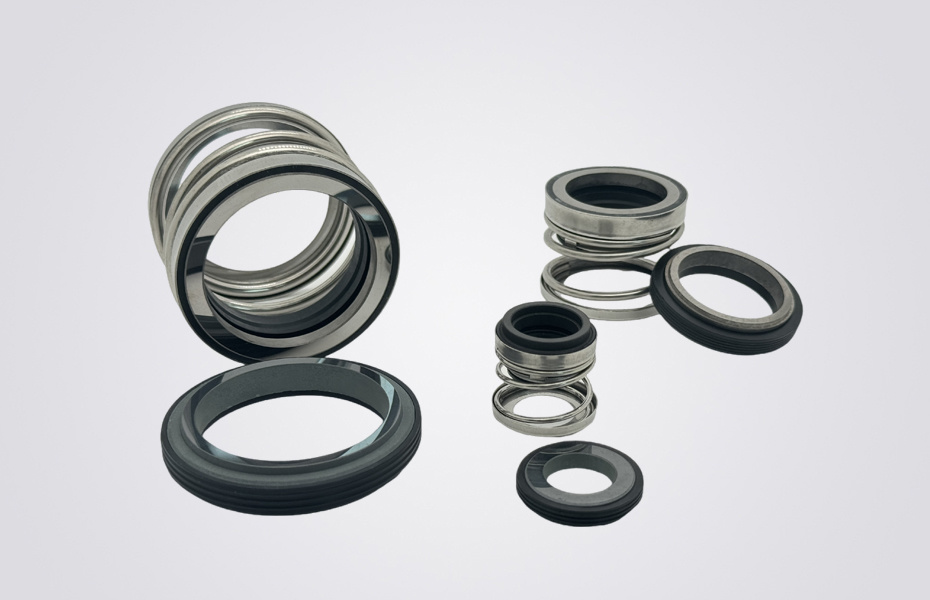
Furthermore, understanding the interplay between pump shaft bearings and mechanical seals is essential for maintaining system integrity. Mechanical seals, which are designed to prevent leakage of fluids, work in tandem with pump shaft bearings to ensure that the entire pump system operates seamlessly.
In conclusion, pump shaft bearings are indispensable components in the industrial sector, playing a vital role in enhancing the performance and durability of pump systems. By investing in the appropriate type of bearing and committing to regular maintenance, industries can significantly increase their operational efficiency and reduce downtime, ultimately leading to cost savings and improved productivity. Understanding the intricacies of pump shaft bearings is essential for professionals looking to optimize their equipment performance.
In essence, pump shaft bearings are designed to support the axial and radial loads exerted on the pump shaft. Their primary function is to reduce friction between the moving parts, which helps prevent overheating and wear. By doing so, they facilitate smoother operation and maintain the integrity of the pump system, thereby enhancing overall performance.
There are various types of pump shaft bearings, each suited for different applications. The most common types include sleeve bearings, ball bearings, and roller bearings. Sleeve bearings are often used in applications requiring low friction and where lubrication is readily available. Ball bearings, on the other hand, are designed to handle moderate loads and are widely utilized due to their versatility. Roller bearings, with their higher load capacity, are ideal for heavy-duty applications where increased durability is essential.
Maintenance of pump shaft bearings is vital to ensure their optimal performance. Regular checks for wear and tear, proper lubrication, and monitoring for any signs of misalignment are critical in preventing premature failure. Additionally, the environmental conditions in which the pump operates can significantly impact bearing life. Factors such as temperature, humidity, and exposure to corrosive substances should all be considered when selecting the appropriate bearing type.
The selection of the right pump shaft bearing is influenced by several factors, including the nature of the fluid being pumped, the operating temperature, and the speed at which the pump operates. It's essential to match the bearing design with the specific requirements of the application to ensure maximum efficiency and reliability.
Furthermore, understanding the interplay between pump shaft bearings and mechanical seals is essential for maintaining system integrity. Mechanical seals, which are designed to prevent leakage of fluids, work in tandem with pump shaft bearings to ensure that the entire pump system operates seamlessly.
In conclusion, pump shaft bearings are indispensable components in the industrial sector, playing a vital role in enhancing the performance and durability of pump systems. By investing in the appropriate type of bearing and committing to regular maintenance, industries can significantly increase their operational efficiency and reduce downtime, ultimately leading to cost savings and improved productivity. Understanding the intricacies of pump shaft bearings is essential for professionals looking to optimize their equipment performance.
Pump Shaft Bearing

Message
* Please enter your phone number to get a free product quote
Copyright © Sichuan Bozhengda Mechanical Seal Technology Co., Ltd. Powered by www.300.cn