

Essential Components: Understanding Water Pump Spare Parts
Essential Components: Understanding Water Pump Spare Parts
Water pumps play a pivotal role in various industrial and residential applications, ensuring the efficient transportation of liquids. However, like any mechanical system, they require regular maintenance and occasionally need spare parts to function optimally. This article delves into the essential components of water pump spare parts, pro
Release time:
2025-12-30
Essential Components: Understanding Water Pump Spare Parts
Water pumps play a pivotal role in various industrial and residential applications, ensuring the efficient transportation of liquids. However, like any mechanical system, they require regular maintenance and occasionally need spare parts to function optimally. This article delves into the essential components of water pump spare parts, providing a thorough understanding of their functions, types, and maintenance.
Table of Contents
1. Introduction to Water Pump Mechanics
2. Importance of Water Pump Spare Parts
3. Key Components of Water Pumps
3.1 Mechanical Seals: Ensuring Leak-Free Operation
3.2 Gaskets: The Unsung Heroes of Sealing
3.3 Bearings: Supporting Smooth Operation
3.4 Impellers: The Heart of Fluid Movement
3.5 Casing: Protecting Internal Components
3.6 Shaft: The Power Transmission Line
4. Choosing the Right Spare Parts
5. Maintenance Tips for Water Pump Components
6. Common Issues and Troubleshooting
7. Conclusion
8. Frequently Asked Questions (FAQs)
1. Introduction to Water Pump Mechanics
Water pumps are mechanical devices designed to move water from one location to another. They utilize various components to create a pressure differential, allowing for the efficient transfer of liquids. Understanding the mechanics behind these devices is essential for anyone involved in maintenance or operation.
The design of water pumps varies significantly depending on their specific applications, such as agricultural, industrial, or municipal uses. Despite these variations, the core components remain largely consistent, and knowing these can save time and resources.
2. Importance of Water Pump Spare Parts
The significance of water pump spare parts cannot be overstated. Regular wear and tear from continuous use can lead to component failure, which may result in costly downtime and repairs. By understanding the essential spare parts, operators can proactively maintain their pumps, ensuring reliability and efficiency.
Moreover, having the right spare parts on hand can significantly reduce repair times. This knowledge enables operators to respond quickly to issues, minimizing disruptions in operations.
3. Key Components of Water Pumps
Understanding the key components of water pumps is crucial for effective maintenance and operation. Here, we outline the primary parts and their respective functions.
3.1 Mechanical Seals: Ensuring Leak-Free Operation
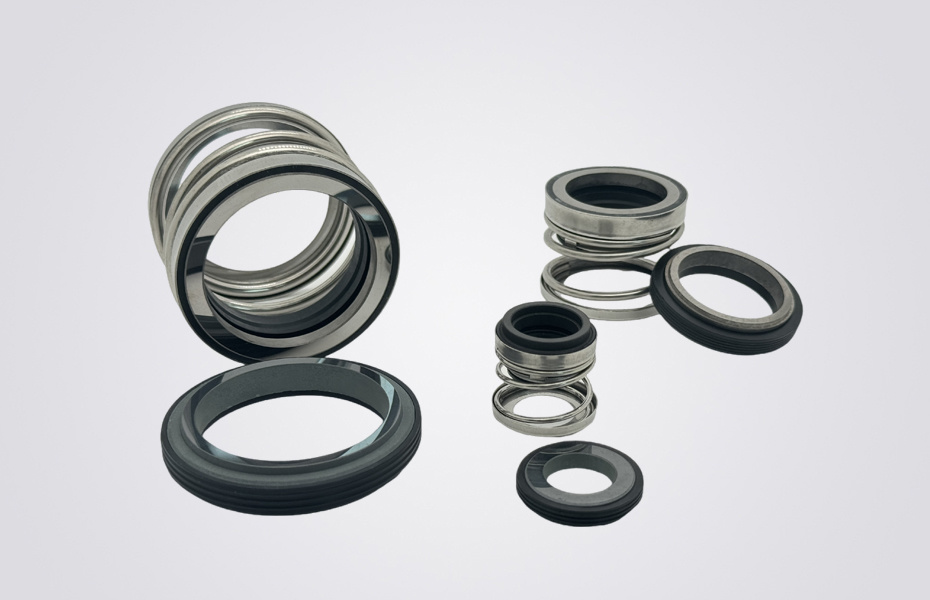
Mechanical seals are critical in preventing leaks within a water pump. They create a barrier between moving parts and the external environment, thus ensuring that the fluid remains contained.
**Types of Mechanical Seals:**
- **Single Mechanical Seals:** Designed for low-pressure applications.
- **Double Mechanical Seals:** Suitable for high-pressure environments, providing an added layer of security against leaks.
**Maintenance Tips:**
- Regularly inspect seals for wear and signs of leakage.
- Ensure proper alignment during installation to prevent premature failure.
3.2 Gaskets: The Unsung Heroes of Sealing
Gaskets are used to seal the joint between two surfaces in a water pump. They are crucial for preventing leaks and maintaining pressure within the system.
**Types of Gaskets:**
- **Flat Gaskets:** Commonly used in standard applications.
- **O-Ring Gaskets:** Ideal for dynamic applications due to their flexibility.
**Maintenance Tips:**
- Regularly check gaskets for deformation or damage.
- Replace gaskets during routine maintenance to avoid leaks.
3.3 Bearings: Supporting Smooth Operation
Bearings facilitate the smooth rotation of the pump shaft. They reduce friction and wear, ensuring the longevity of the pump components.
**Types of Bearings:**
- **Ball Bearings:** Suitable for high-speed applications.
- **Sleeve Bearings:** Often used in low-speed applications, providing better cushioning.
**Maintenance Tips:**
- Regularly lubricate bearings to prevent overheating.
- Inspect for signs of wear and replace as necessary.
3.4 Impellers: The Heart of Fluid Movement
Impellers are responsible for moving the fluid through the pump. They convert rotational energy into kinetic energy, facilitating fluid flow.
**Types of Impellers:**
- **Closed Impellers:** Provide high efficiency and are commonly used in various applications.
- **Open Impellers:** Suitable for handling fluids with larger solids.
**Maintenance Tips:**
- Regularly inspect impellers for wear and damage.
- Ensure proper alignment to prevent cavitation.
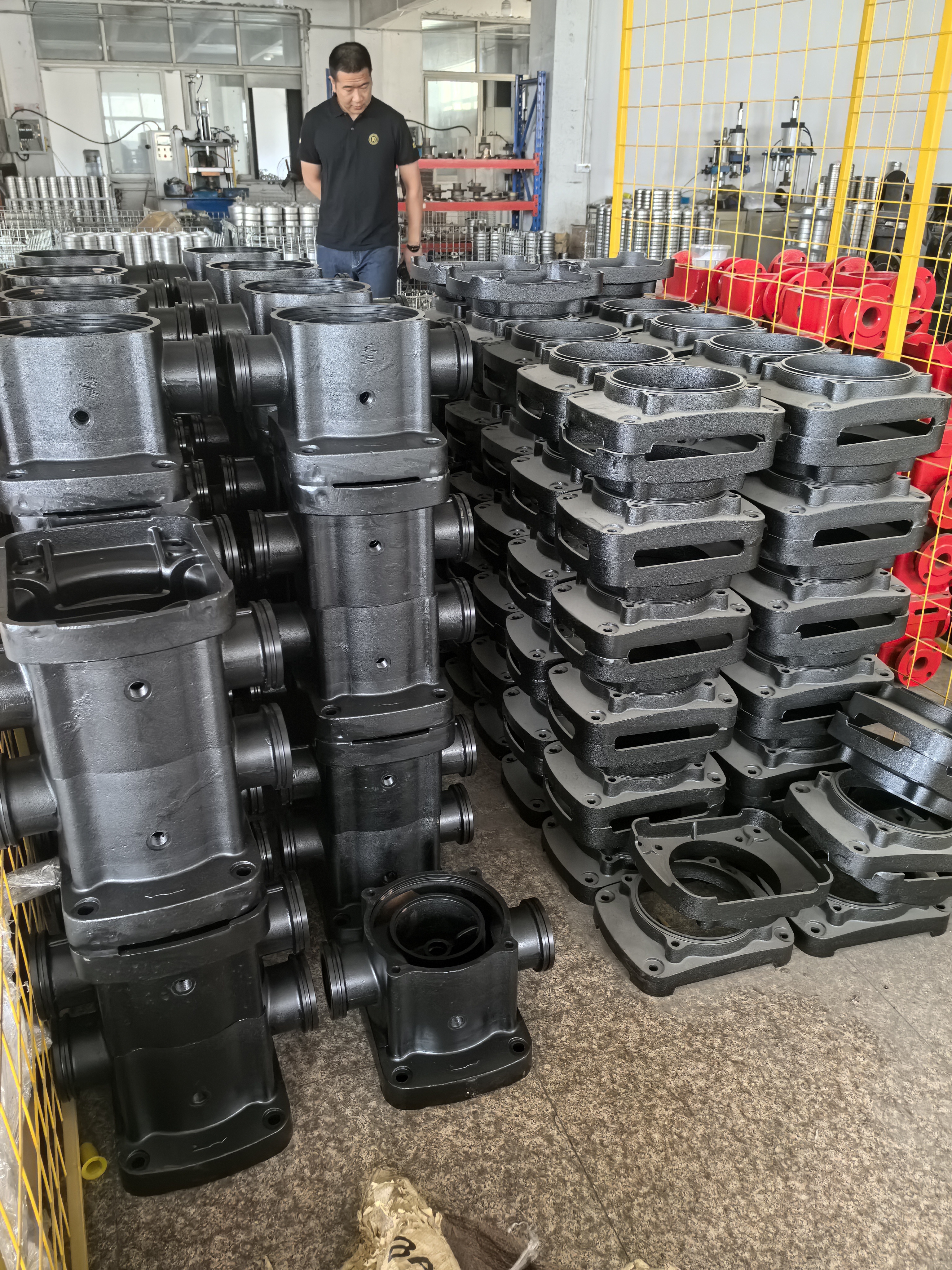
3.5 Casing: Protecting Internal Components
The casing houses the internal components of the pump, providing protection and structural integrity. It also directs the flow of fluid through the pump.
**Maintenance Tips:**
- Inspect for cracks or corrosion regularly.
- Ensure the casing is securely fastened to prevent vibrations.
3.6 Shaft: The Power Transmission Line
The shaft transmits power from the motor to the impeller, playing a vital role in the pump's operation. It must withstand significant forces during operation.
**Maintenance Tips:**
- Inspect the shaft for signs of wear or bending.
- Ensure proper alignment with the motor to prevent excessive stress.
4. Choosing the Right Spare Parts
Selecting the appropriate spare parts is crucial for maintaining the functionality of water pumps. Consider the following factors when making your selection:
- **Compatibility:** Ensure that the spare parts are compatible with the specific pump model.
- **Quality:** Opt for high-quality parts to ensure durability and reliability.
- **Supplier Reputation:** Choose reputable suppliers with a history of providing reliable components.
Utilizing OEM (Original Equipment Manufacturer) parts is often the best choice, as they are designed specifically for your pump model, ensuring optimal performance.
5. Maintenance Tips for Water Pump Components
Proper maintenance is essential for prolonging the life of water pump components. Here are some tips to keep your system running smoothly:
- **Regular Inspections:** Conduct routine checks on seals, gaskets, and bearings to identify issues before they escalate.
- **Lubrication:** Ensure moving parts are adequately lubricated to minimize friction and wear.
- **Cleanliness:** Keep the pump and surrounding areas clean to prevent contamination of fluids.
- **Monitoring Performance:** Keep an eye on performance metrics, such as flow rate and pressure, to detect any irregularities early.
6. Common Issues and Troubleshooting
Understanding common issues can help operators address problems promptly and efficiently. Here are some frequent challenges faced with water pumps:
- **Leakage:** Often caused by worn mechanical seals or damaged gaskets. Inspect and replace as needed.
- **Reduced Flow Rate:** This could indicate a clogged impeller or worn components. Regular maintenance and cleaning are essential.
- **Vibration:** Excessive vibration may result from misalignment or worn bearings. Check alignment and replace bearings if necessary.
Utilizing a comprehensive troubleshooting guide can aid operators in resolving issues quickly and efficiently.
7. Conclusion
Water pumps are crucial in a variety of applications, and understanding their essential components is vital for effective maintenance and operation. By familiarizing ourselves with mechanical seals, gaskets, bearings, impellers, casings, and shafts, we can ensure that our water pumps remain efficient and reliable. Regular maintenance, proper selection of spare parts, and timely troubleshooting can significantly enhance performance and reduce downtime.
Investing time in understanding and maintaining these components will not only extend the life of your water pump but also contribute to overall operational efficiency.
8. Frequently Asked Questions (FAQs)
1. What are the most common spare parts needed for water pumps?
The most common spare parts include mechanical seals, gaskets, bearings, impellers, and shafts. Regular maintenance of these components is essential for optimal performance.
2. How do I know when to replace water pump parts?
Signs that indicate it's time to replace water pump parts include leaks, unusual noises, reduced flow rates, and vibrations. Regular inspections can help identify these issues early.
3. Can I use aftermarket spare parts for my water pump?
While aftermarket parts may be more affordable, using OEM parts is often recommended for ensuring compatibility and reliability.
4. How often should I perform maintenance on my water pump?
Routine maintenance should be performed at regular intervals, typically every 3 to 6 months, or as recommended by the manufacturer, depending on usage and application.
5. What should I look for when purchasing spare parts for water pumps?
When purchasing spare parts, consider compatibility with your pump model, quality of materials, and the reputation of the supplier to ensure reliability and performance.
By focusing on these vital components and following maintenance best practices, you can optimize the performance and longevity of your water pumps, ensuring efficient operation for years to come.
Water Pump Spare Parts

Message
* Please enter your phone number to get a free product quote
Copyright © Sichuan Bozhengda Mechanical Seal Technology Co., Ltd. Powered by www.300.cn